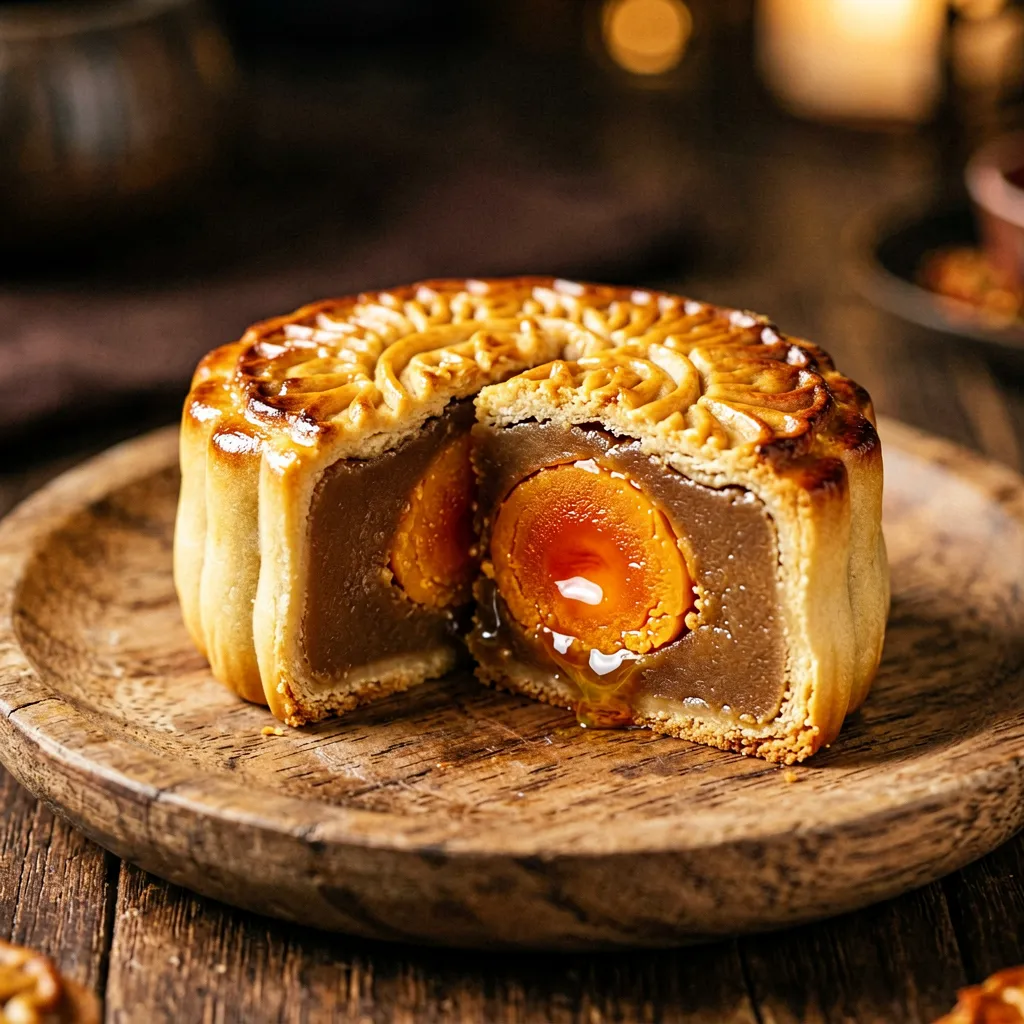
Mooncake
Mooncakes are essential traditional pastries for the Mid-Autumn Festival, with a thin, tender crust and rich, smooth filling. Making them at home adds warmth to the celebration; the golden crust, dense lotus seed paste, and savory egg yolk create an unforgettable taste.
Ingredients
9 items- All-purpose flour 200 g
- Golden syrup (inverted sugar syrup) 140 g
- Peanut oil 50 g
- Alkaline water (lye water) 4 g
- Lotus seed paste 500 g
- Salted duck egg yolks 8
- Egg wash 1 egg yolk + some egg white
- High-proof liquor (baijiu) a splash
- Flour as needed
Nutrition
Steps (10 steps)
Make the dough: In a large bowl, combine golden syrup, peanut oil, and alkaline water. Whisk vigorously in one direction for about 1-2 minutes until fully emulsified, thick, and creamy. Sift in all-purpose flour, fold with a rubber spatula until no dry streaks remain. Do not overmix to avoid gluten development. Cover with plastic wrap and rest at room temperature for 1-2 hours.
Prepare the filling: Soak salted duck egg yolks in corn oil overnight or at least 30 minutes. Drain and place on a baking sheet, spray lightly with baijiu. Bake in a preheated oven at 180°C (350°F) for 8 minutes until they start to oil. Let cool. Divide lotus paste into 8 portions (about 60-65 g each), roll into balls. Flatten each, wrap around a cooled egg yolk, seal with the heel of your hand, and roll smooth.
Portion the dough: Roll the rested dough into a log, divide into 8 equal pieces (about 35-40 g each, adjust for your mold size). Roll each piece into a ball, cover with plastic wrap to prevent drying.
Assemble: Take one dough ball, press into a round disc with your palm, making the center slightly thicker and edges thinner, about 10 cm diameter. Place a filling ball in the center. Use the tiger-mouth of your hand to gently push the dough upward while rotating with your other hand, gradually encasing the filling completely. Pinch the seam tightly, making sure no cracks. Roll into an oval for easy molding.
Mold: Lightly dust a mooncake ball with flour, tap off excess. Dust the mold with flour, insert the ball (seam side facing out or in, depending on mold style). Place the mold vertically on a lined baking sheet, press the spring handle firmly to imprint clear patterns, then release slowly. If sticking, dust with more flour.
Preheat and spray: Arrange all molded mooncakes on a baking sheet with space between. Preheat oven to 200°C (400°F). Lightly spray the tops with water (not too much) to prevent cracking during baking.
First bake: Place the sheet in the middle of the oven, bake at 200°C for 5 minutes to set. The surface will turn pale and patterns will set. Remove and cool for 5 minutes on the counter; do not move them while hot.
Egg wash: In a small bowl, whisk 1 egg yolk with 1 teaspoon egg white. Use a pastry brush to apply a thin, even layer only on the raised pattern of the mooncakes. Do not brush the sides or indentations, or the patterns will blur.
Second bake: Adjust oven to 180°C (350°F) upper heat and 160°C (320°F) lower heat (or 170°C both). Bake for 10 minutes, remove and brush with egg wash again, then bake another 5-8 minutes until deep golden brown with ivory sides.
Cool and age: Optionally brush the hot mooncakes with a thin layer of cooked oil for shine. Transfer to a wire rack to cool completely. Once cool, store in an airtight container for 2-3 days to allow the skin to soften and absorb moisture (returning oil). The texture and flavor improve significantly. Enjoy at room temperature.
Tips
1. Golden syrup is critical; you can make it in advance or use store-bought. 2. Alkaline water is essential; mix baking soda with water as substitute. 3. Resting the dough is mandatory for pliability. 4. Soaking egg yolks in oil removes odor and enriches texture. 5. Egg wash only on raised patterns; too much will blur. 6. Aging (returning oil) is key; do not rush. 7. Oven temperatures may vary; adjust accordingly.
You May Also Like
More recipes you might enjoy
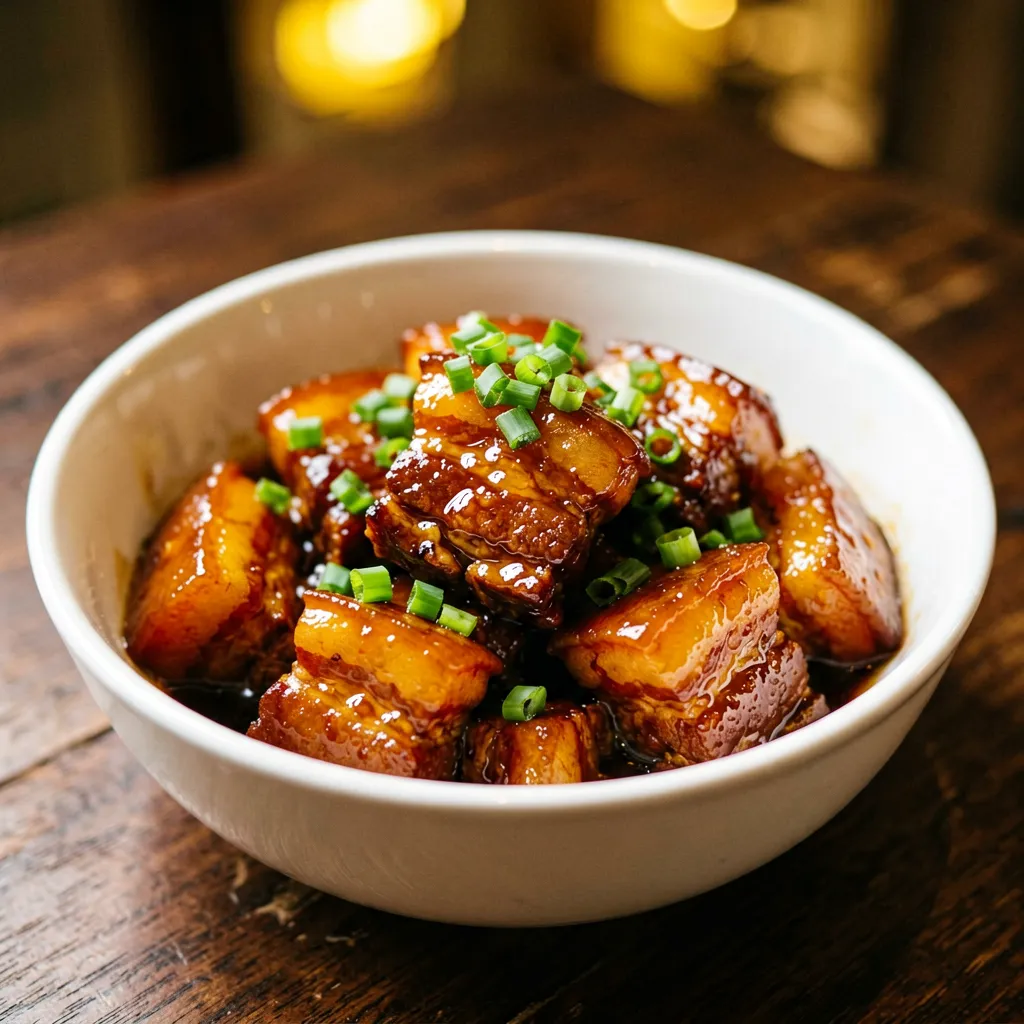
Hong Shao Rou (Red Braised Pork Belly)
Hong Shao Rou is a classic Chinese comfort food. Pork belly is slow-braised with caramelized sugar and soy sauce until meltingly tender. The meat turns a rich red color and is coated in a thick, savory-sweet glaze that pairs perfectly with steamed rice. It's a dish that warms the soul.
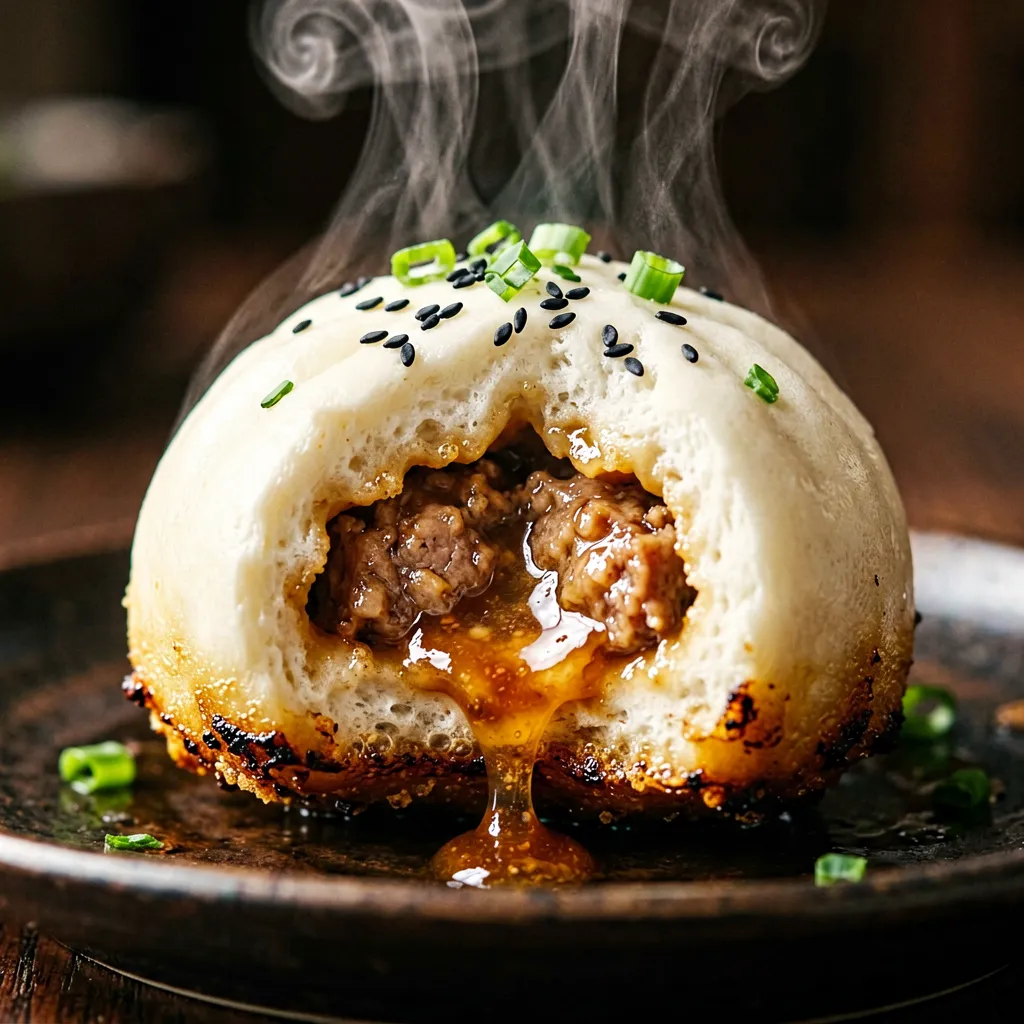
Pan-fried Pork Buns (Sheng Jian Bao)
Soft and fluffy top with a crispy golden bottom, these Shanghai-style pan-fried pork buns burst with savory juice when you bite into them. A beloved breakfast classic and street food favorite.
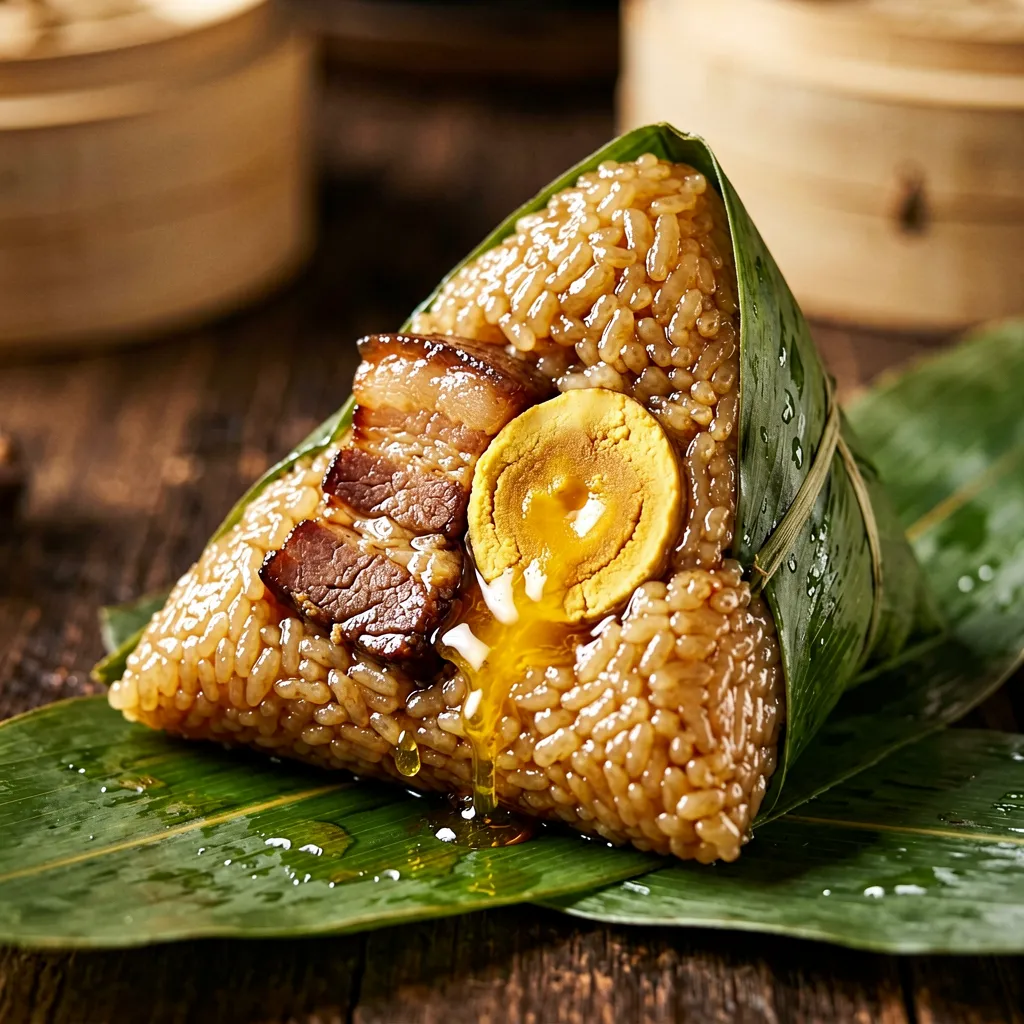
Zongzi (Sticky Rice Dumplings)
Traditional Chinese zongzi, sticky rice filled with marinated pork belly and salted duck egg yolks, boiled until tender and fragrant with bamboo leaf aroma. A must-have for Dragon Boat Festival, also a savory treat anytime.
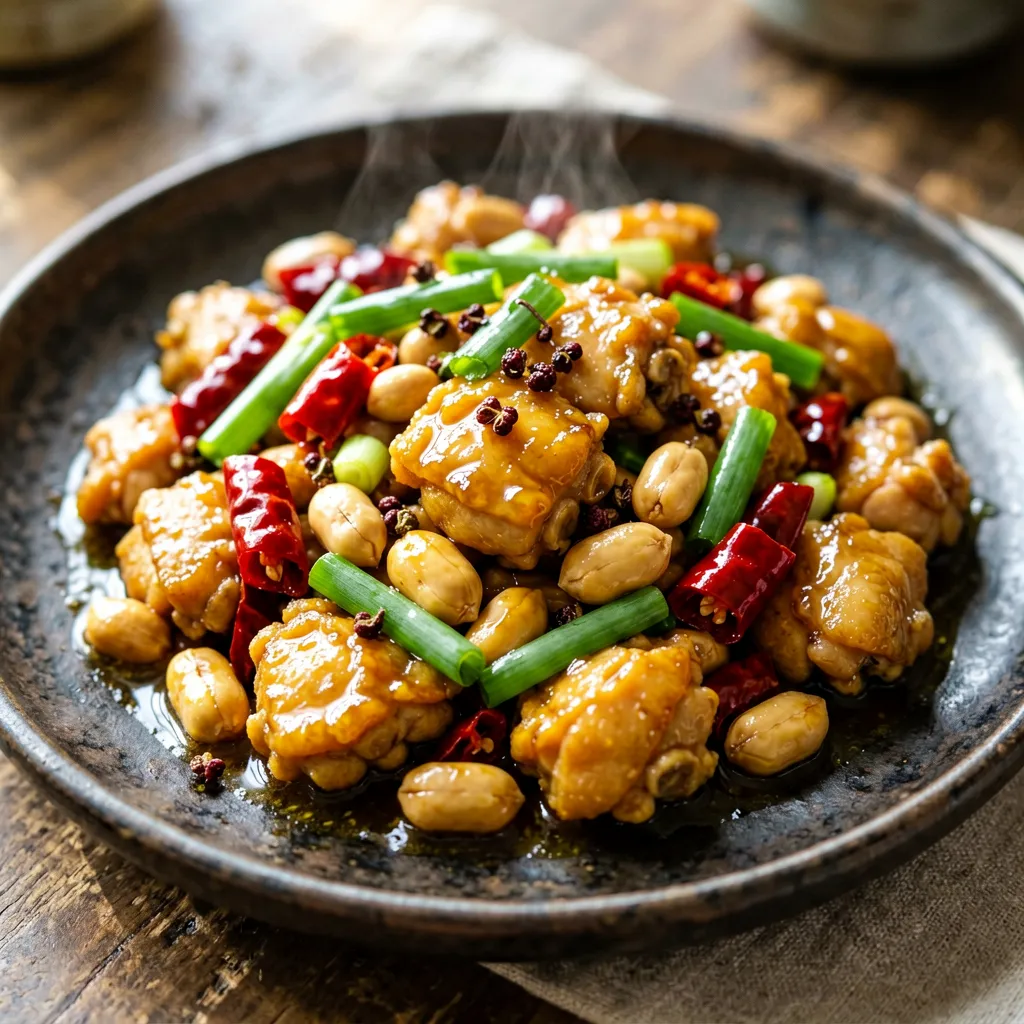
Kung Pao Chicken
A classic Sichuan dish featuring chicken, peanuts, and dried chili peppers, balanced with spicy, sweet, and sour flavors. It is a beloved favorite.