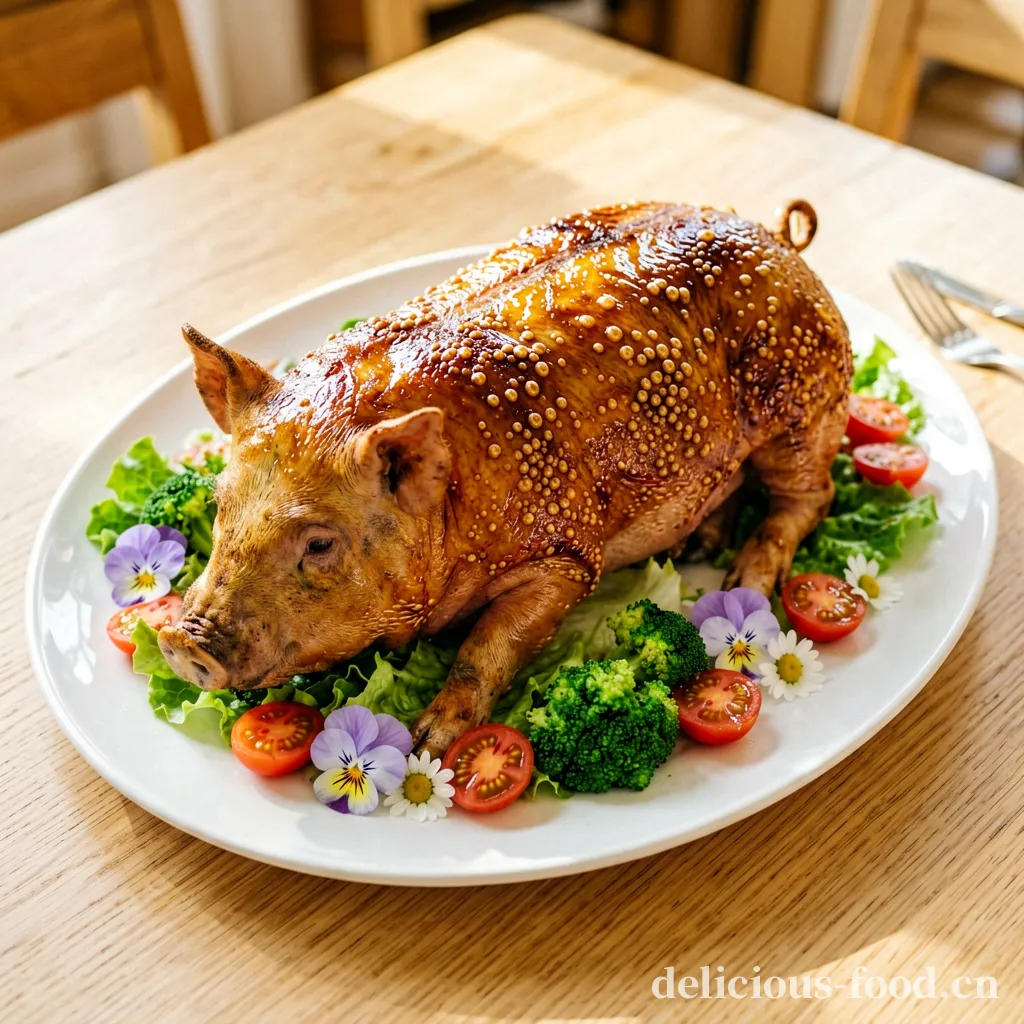
Roast Suckling Pig
Crispy golden skin with tender and juicy meat, a classic banquet dish. Marinated and slow-roasted to perfection, every bite is bursting with rich pork flavor.
Ingredients
10 items- Suckling pig 1 (3-4 kg)
- Salt 3 tablespoons
- Sugar 2 tablespoons
- Five-spice powder 2 tablespoons
- Garlic powder 1 tablespoon
- Ginger powder 1 tablespoon
- Cooking wine 3 tablespoons
- Honey 3 tablespoons
- White vinegar 3 tablespoons
- Cooking oil as needed
Nutrition
Steps (8 steps)
Clean the suckling pig inside and out, split open along the belly, remove innards and blood, rinse until water runs clear, and pat dry thoroughly with paper towels.
In a bowl, mix salt, sugar, five-spice powder, garlic powder, ginger powder, and cooking wine to form a paste.
Rub the marinade evenly all over the pig, especially meaty parts, place in a large container, cover with plastic wrap, and refrigerate for at least 2 hours.
Remove the pig, pour boiling water over the skin to tighten, pat dry; mix honey, white vinegar, and 1 tablespoon water, brush onto the skin, and air dry for 15 minutes.
Preheat oven to 200°C, place pig belly-down on a rack, roast for 30 minutes, brushing with oil every 10 minutes.
Remove pig, flip skin-side up, prick the skin evenly with a bamboo skewer, brush with oil, return to oven at 180°C for 40 minutes, brushing every 15 minutes.
Increase oven temperature to 220°C, roast for 15-20 minutes until the skin is golden and blistered, making a crisp sound when tapped with a knife.
Remove from oven, let rest for 10 minutes, chop into pieces, and serve.
Tips
The longer the marination, the more flavorful; overnight is recommended. Pricking the skin helps create crispiness. Watch closely during final high-heat stage to avoid burning.
You May Also Like
More recipes you might enjoy
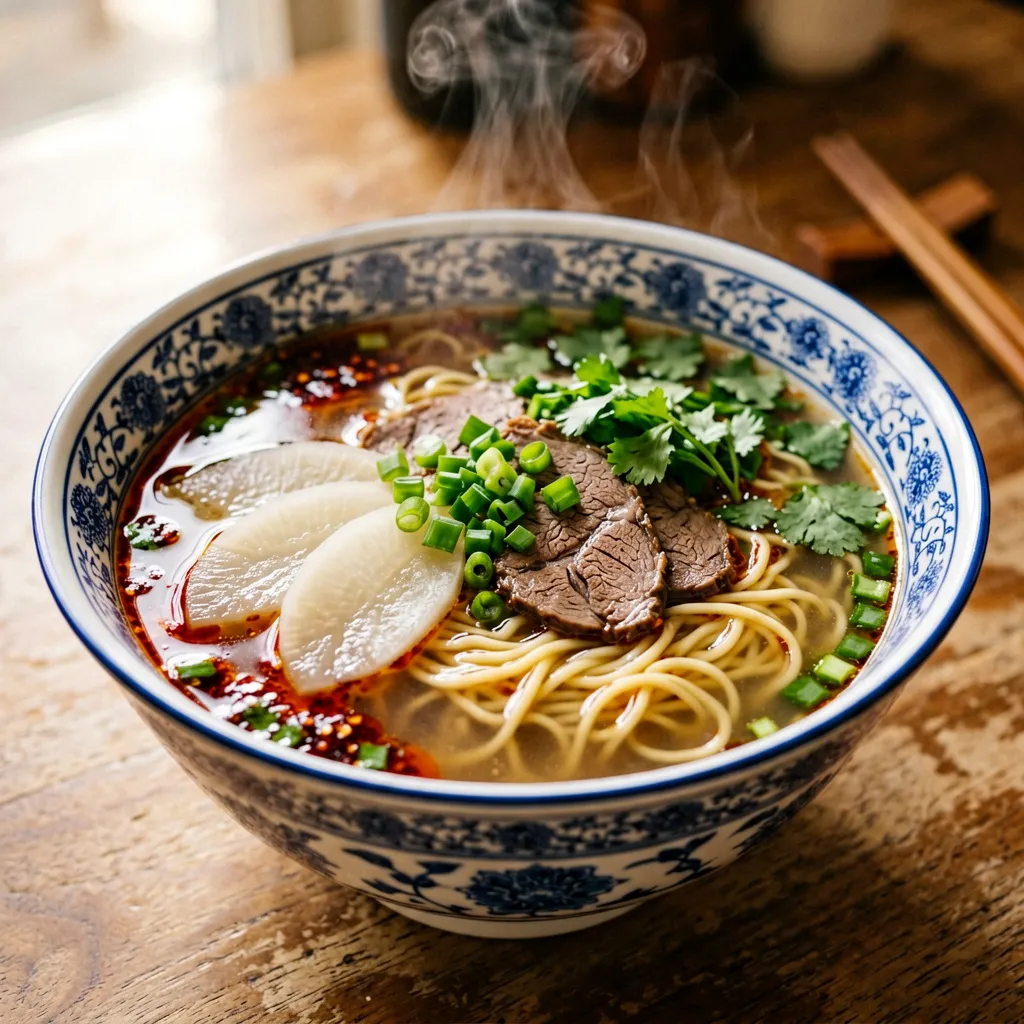
Lanzhou Lamian (Lanzhou Pulled Noodles)
A signature of Northwest Chinese cuisine, Lanzhou Lamian features hand-pulled noodles with a chewy texture, served in a clear and savory beef broth topped with fragrant chili oil. Known for its 'five elements'—clear soup, white radish, red chili, green herbs, and yellow noodles—it's an iconic comfort food.
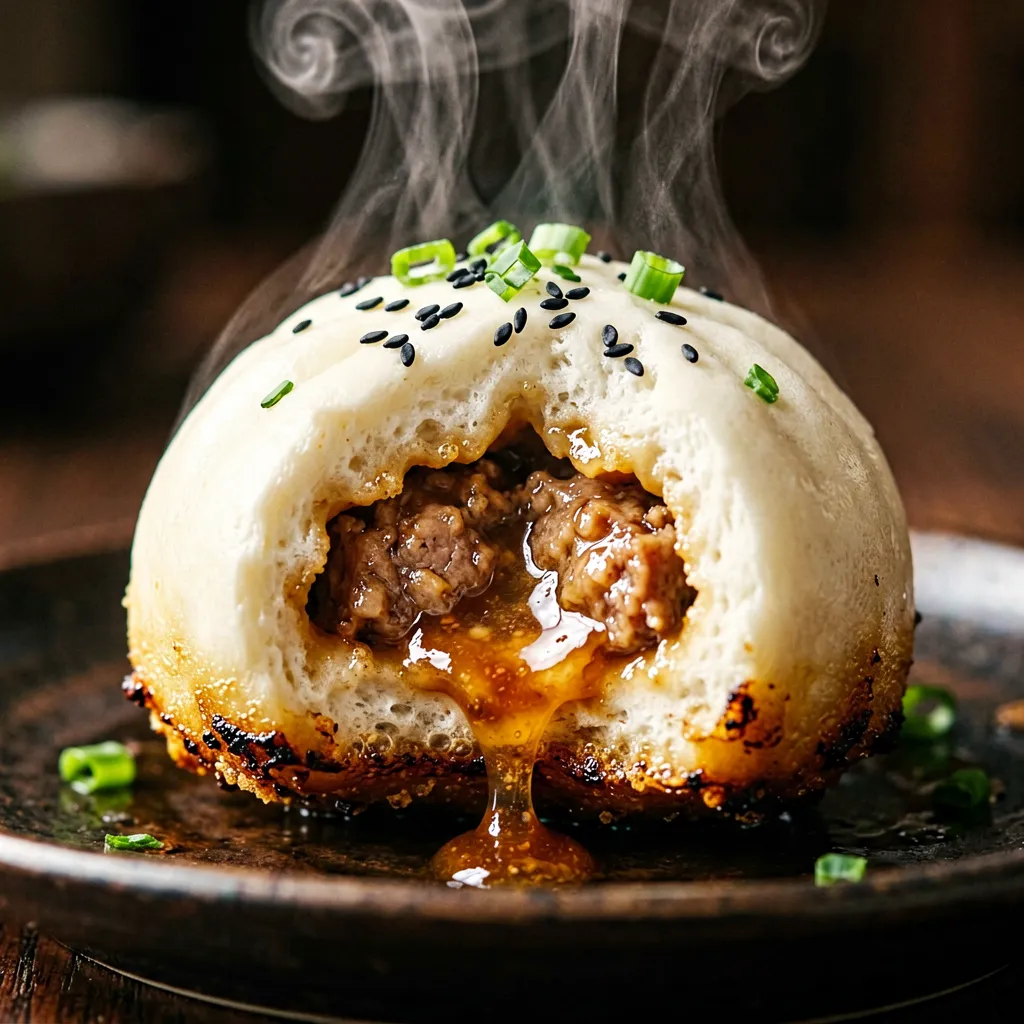
Pan-fried Pork Buns (Sheng Jian Bao)
Soft and fluffy top with a crispy golden bottom, these Shanghai-style pan-fried pork buns burst with savory juice when you bite into them. A beloved breakfast classic and street food favorite.
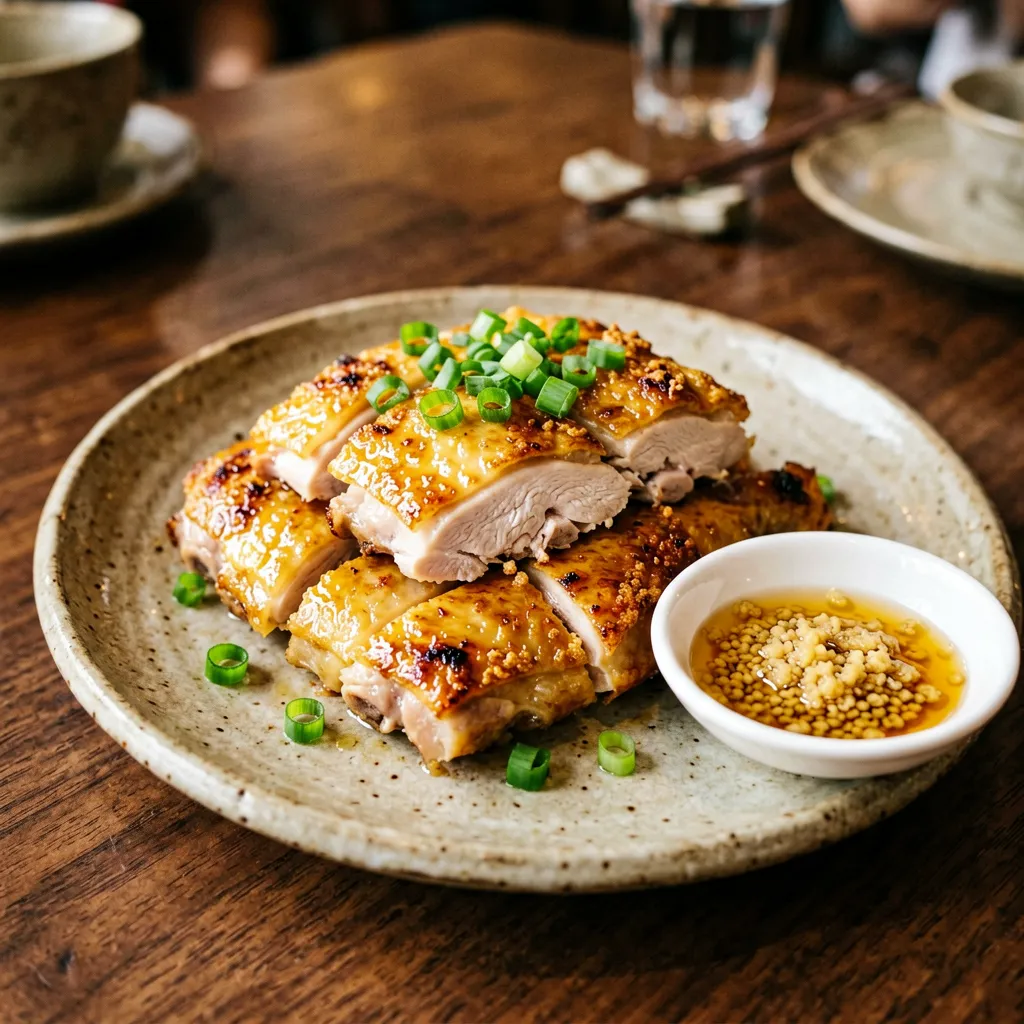
Salt-Baked Chicken (Yan Ju Ji)
A Hakka classic from Guangdong, this dish uses a crust of coarse salt to slowly cook the chicken, sealing in its natural juices. The result is golden, savory skin and incredibly tender, succulent meat, infused with the delicate aroma of sand ginger and salt. A must-try for festive dinners.
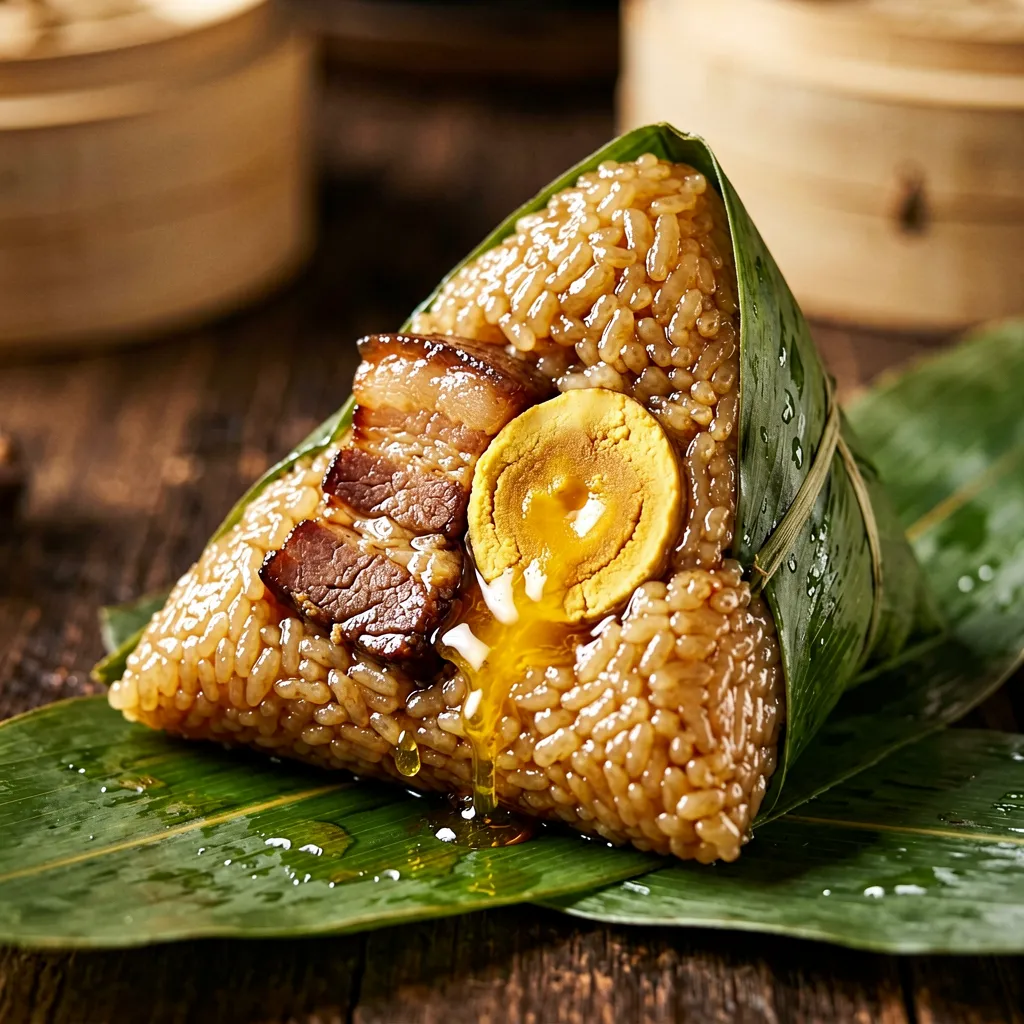
Zongzi (Sticky Rice Dumplings)
Traditional Chinese zongzi, sticky rice filled with marinated pork belly and salted duck egg yolks, boiled until tender and fragrant with bamboo leaf aroma. A must-have for Dragon Boat Festival, also a savory treat anytime.