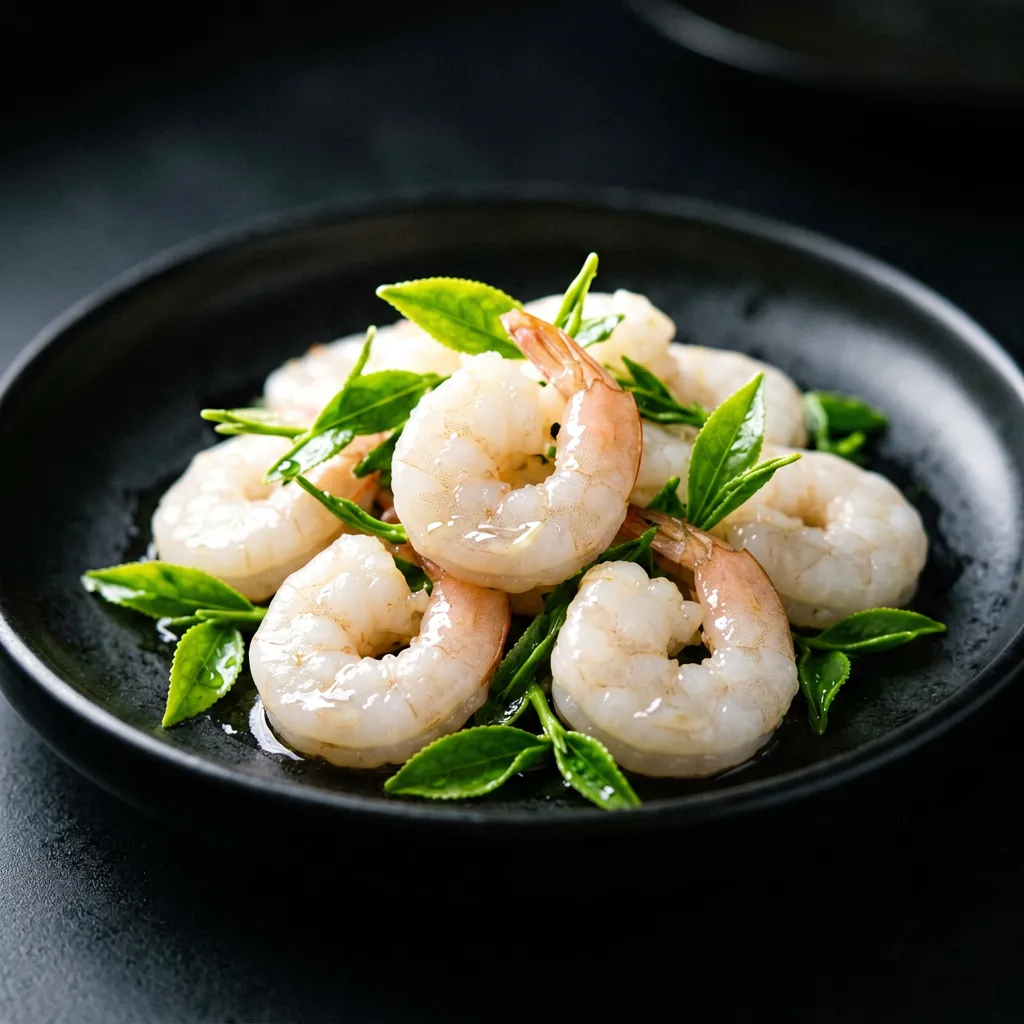
Longjing Shrimp (Dragon Well Tea Shrimp)
A classic Hangzhou dish combining the delicate fragrance of Longjing tea with tender river shrimp. The shrimp are pearly white, perfectly juicy, and infused with a subtle tea aroma—light, elegant, and refreshing.
Ingredients
9 items- Fresh river shrimp 300g
- Longjing tea leaves 2g
- Egg white 1/2
- Shaoxing wine 1 tbsp
- Cornstarch 1 tbsp
- Salt 1/4 tsp
- Sugar 1/2 tsp
- Cooking oil 3 tbsp
- Sesame oil 1 tsp
Nutrition
Steps (6 steps)
Remove heads, shells, and veins from the fresh river shrimp. Place in a bowl with a pinch of salt and 1 tbsp cornstarch, rub gently, then rinse repeatedly under cold water until the shrimp turn white. Drain well and pat thoroughly dry with paper towels—this step removes mucus and ensures a snappy texture.
In the dried shrimp, add 1/4 tsp salt, 1 tbsp Shaoxing wine, half an egg white, and 1 tbsp cornstarch. Stir vigorously in one direction for about 2 minutes until the mixture feels sticky and the shrimp are evenly coated. Finally stir in 1 tbsp cooking oil to seal in moisture, then refrigerate for 15 minutes.
Place 2g of Longjing tea leaves in a cup, pour in 80ml of water heated to 80°C, and steep for 1 minute. Pour out about 60ml of the tea liquor and set aside, keeping the spent tea leaves. Be careful not to use boiling water as it will make the tea bitter.
Heat a wok over high heat, then add 2 tbsp of cooking oil. When the oil reaches about 120°C (gently shimmering), add the marinated shrimp and quickly spread them out to prevent sticking. Stir-fry for about 30 seconds until the shrimp curl and turn opaque, then remove them immediately to drain excess oil.
Leave about 1 tsp of oil in the wok. Add the reserved tea leaves and stir-fry over low heat for 10 seconds to release fragrance. Turn the heat to high, add the cooked shrimp back, drizzle in 1 tbsp of the tea liquor along the wok edge, and season with a pinch of salt and sugar. Toss quickly for about 15 seconds.
Mix 1 tsp cornstarch with 2 tbsp water to make a slurry. Pour it along the wok edge and stir-fry briskly for about 10 seconds until a thin glaze evenly coats the shrimp. Finish with 1 tsp sesame oil for shine, turn off the heat, and plate. Garnish with a few tea leaves.
Tips
1. Thoroughly pat the shrimp dry before marinating to prevent the coating from sliding off. 2. Oil temperature is crucial—120°C (medium-low) yields the tenderest shrimp; too hot and they will toughen. 3. Only a little tea liquor should be used so it doesn't overpower the shrimp. 4. Keep the final glaze very thin, like a transparent 'glass' sauce, for an elegant finish.
You May Also Like
More recipes you might enjoy
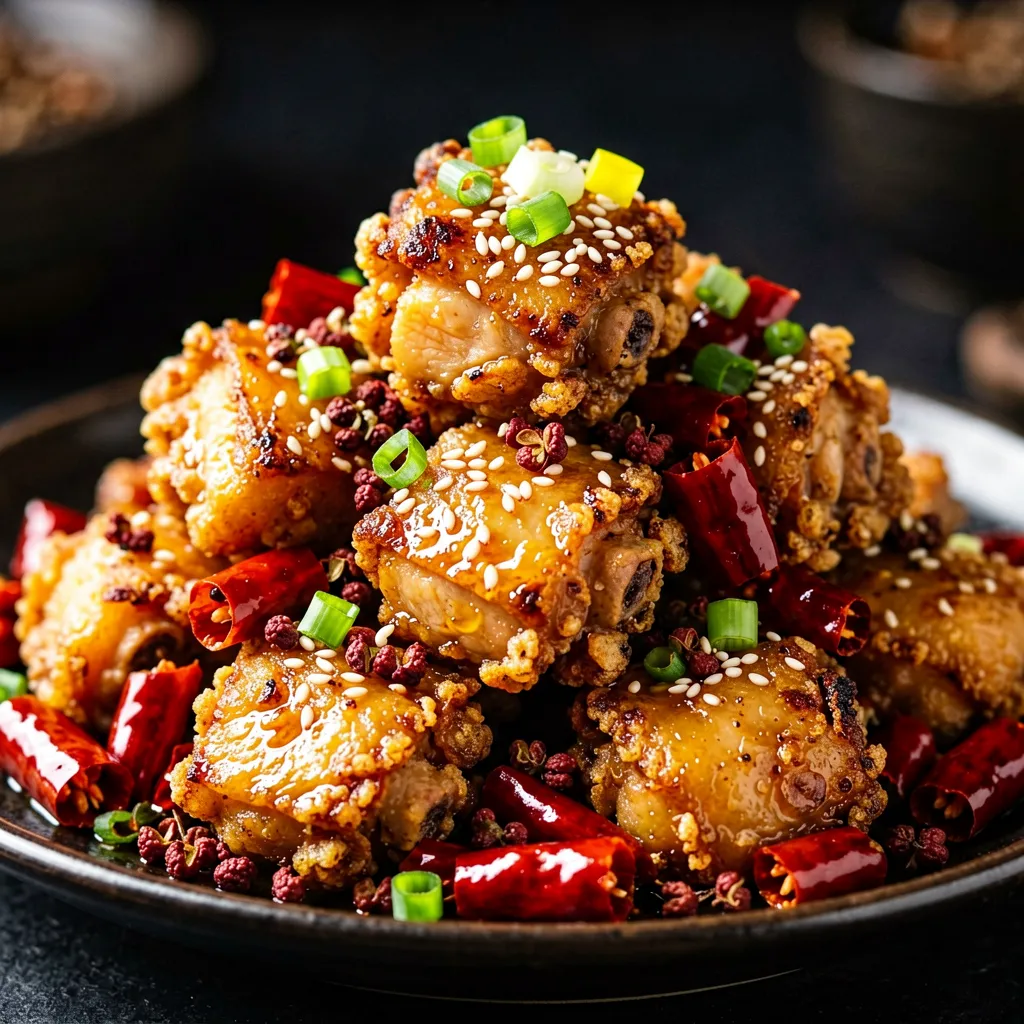
Chongqing Spicy Chicken (Laziji)
A classic Chongqing dish featuring crispy chicken pieces tossed with dried chilies and Sichuan peppercorns. The aromatic heat and numbing sensation are incredibly addictive. Perfect with steamed rice.
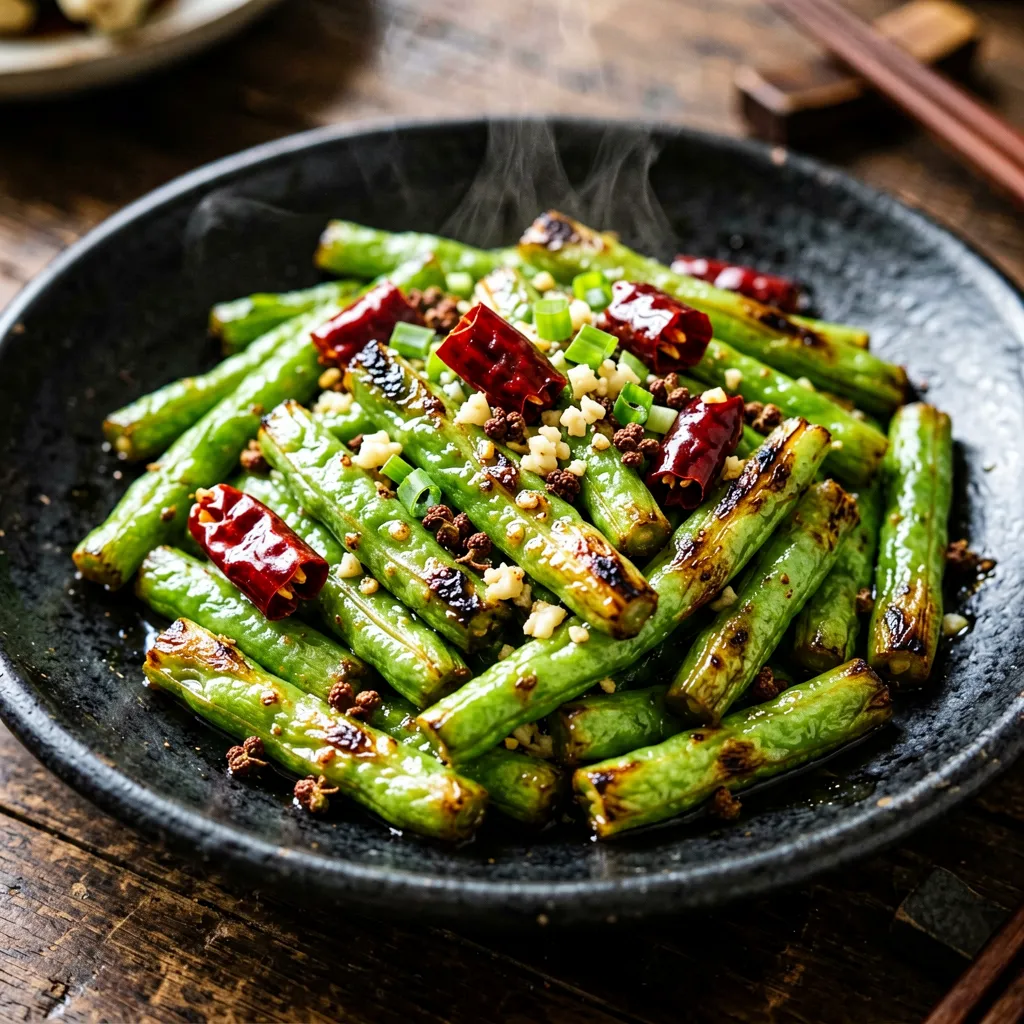
Dry-Fried Green Beans (Sichuan Style)
Classic Sichuan dry-fried green beans with a charred, chewy texture and spicy, numbing flavor. The beans are blister-fried until wrinkled and tender, then tossed with dried chilies and Sichuan peppercorns for an irresistibly addictive dish.
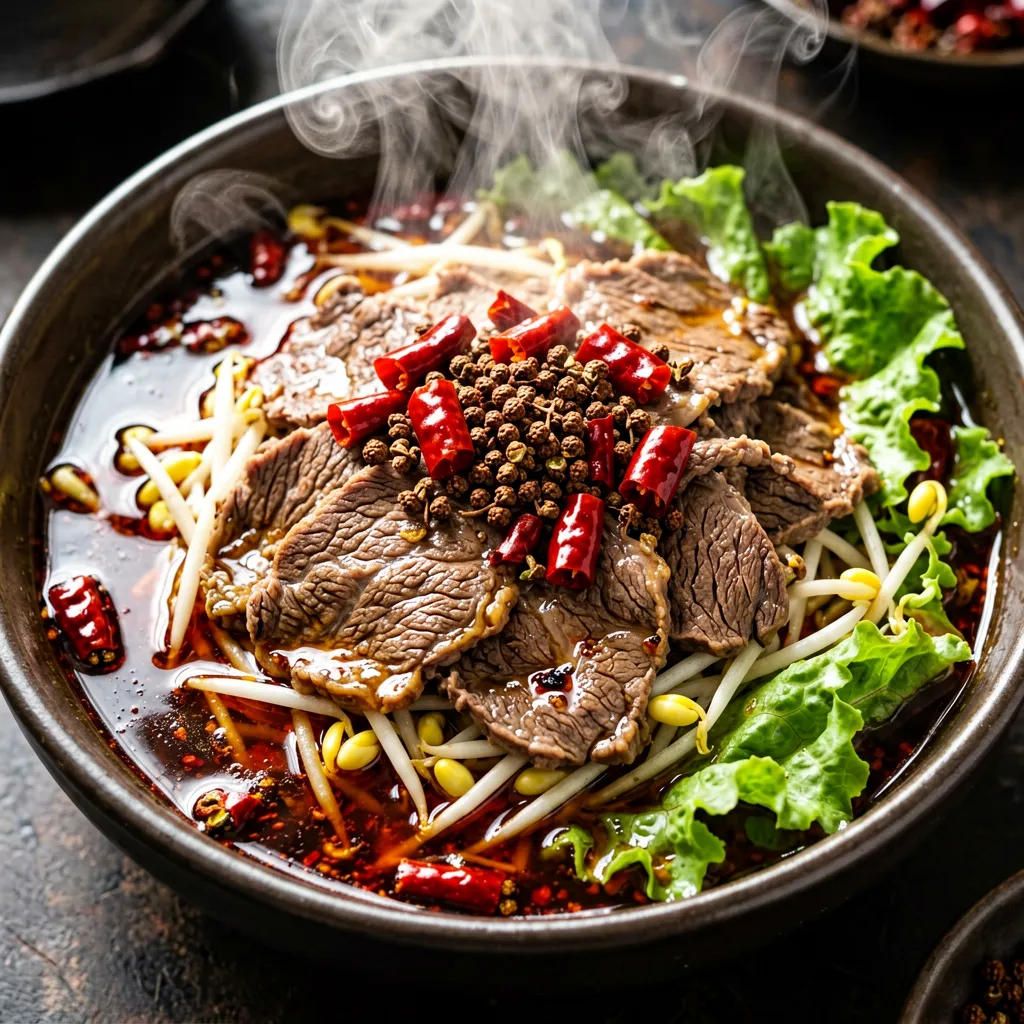
Sichuan Boiled Beef (Shui Zhu Niu Rou)
A fiery and aromatic masterpiece of Sichuan cuisine: tender beef slices in a robust broth, topped with sizzling chili oil. This classic dish delights with its numbing spiciness and rich layers of flavor.
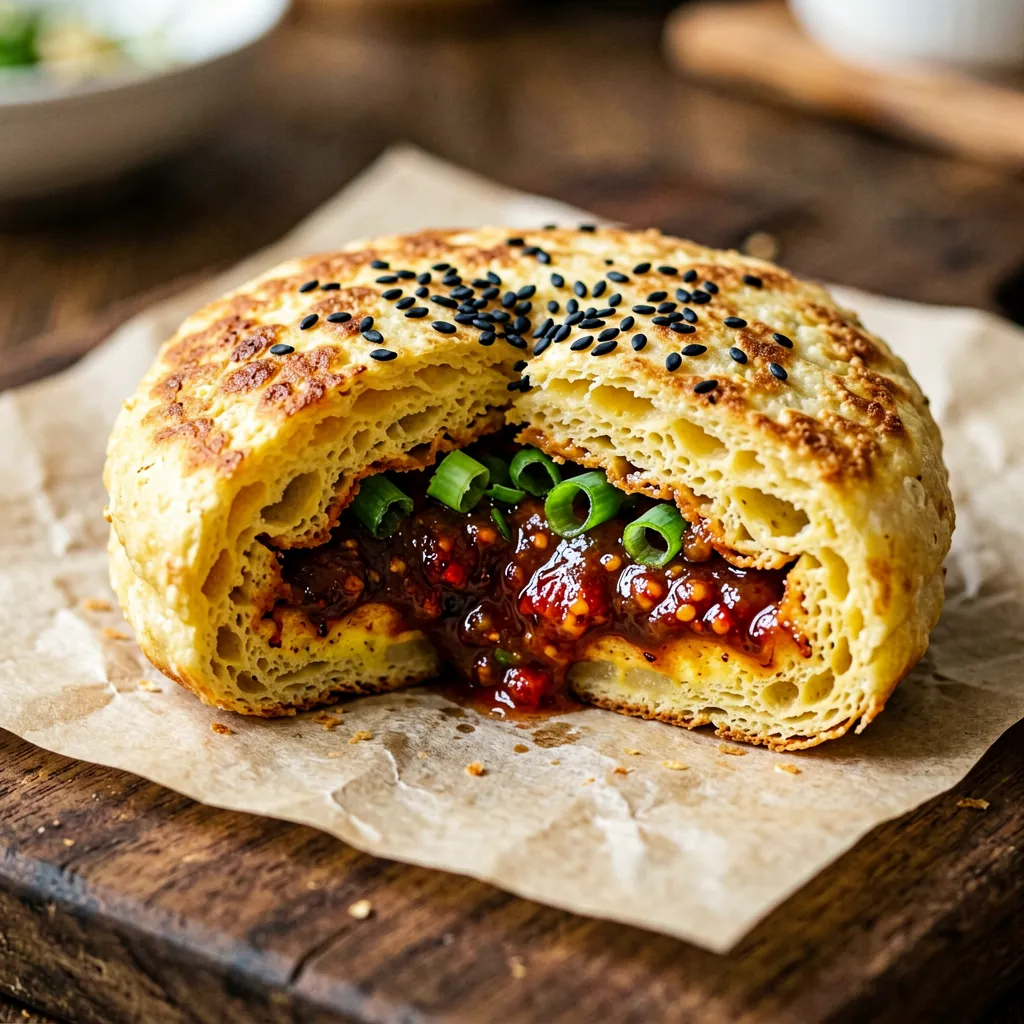
Jianbing Guozi
Jianbing Guozi is the quintessential street breakfast from Tianjin, China. A thin mung bean crepe is cooked on a hot griddle, topped with an egg, flipped, brushed with sweet bean sauce and chili paste, and filled with a crunchy fried wonton sheet or youtiao. Soft outside, crispy inside, each bite is pure comfort.