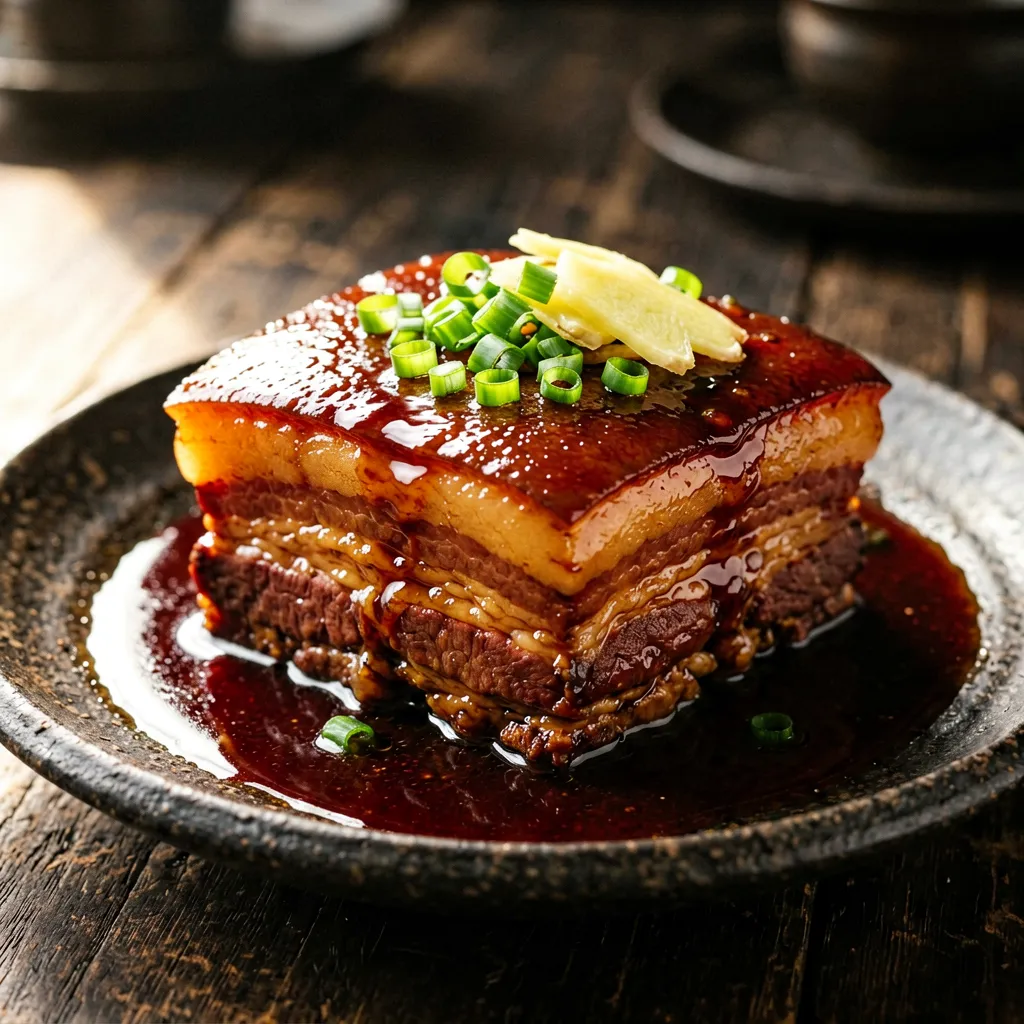
Dongpo Braised Pork Belly
Tender, luscious, and gleaming with a deep red glaze, this classic Hangzhou dish features pork belly slow-braised to perfection. The rich, savory-sweet flavor melts in your mouth, making it a prized centerpiece for any meal.
Ingredients
11 items- Skin-on pork belly 500g
- Rock sugar 30g
- Ginger 4 slices
- Spring onion 2 sections
- Cooking wine (Shaoxing wine) 3 tbsp
- Light soy sauce 2 tbsp
- Dark soy sauce 1 tbsp
- Star anise 2 pieces
- Cinnamon stick 1 small piece
- Salt 1 tsp
- Cooking oil a little
Nutrition
Steps (6 steps)
Rinse 500g skin-on pork belly and cut into 3cm cubes. Place in a pot of cold water with 2 slices ginger, 2 spring onion sections, and 1 tbsp cooking wine. Bring to a boil over high heat, skimming off foam. Reduce to medium heat and cook for 5 minutes. Remove pork, rinse with warm water, and drain well.
In a wok, add a little oil (about 1 tsp) and 30g rock sugar. Heat over low heat, stirring constantly until the sugar melts into an amber caramel with fine bubbles. Quickly add the blanched pork belly and stir-fry to coat each piece evenly with caramel. Watch carefully to avoid burning.
Add remaining 2 slices ginger, 1 spring onion section, 2 star anise, and 1 small cinnamon stick. Stir-fry over medium heat until fragrant. Pour in 2 tbsp cooking wine around the edge, stir briefly, then add 2 tbsp light soy sauce and 1 tbsp dark soy sauce. Continue stir-frying until the pork pieces are richly colored.
Pour in enough boiling water (about 800ml) to submerge all the pork. Bring to a boil over high heat, then reduce to low heat. Cover and simmer gently for 1.5 hours, checking once or twice to ensure enough liquid; add a little hot water if needed.
After 1 hour, uncover and add 1 tsp salt (adjust to taste). Re-cover and continue simmering over low heat for another 30 minutes, until the pork is very tender and can be easily pierced with chopsticks at the thickest part.
Remove the lid and turn up the heat to high to reduce the sauce. Continuously spoon the sauce over the pork pieces. When the sauce thickens and coats the back of a spoon, turn off the heat. Carefully transfer the pork to a serving plate, drizzle with the remaining thick sauce, and garnish with chopped spring onions or cilantro if desired.
Tips
Key points: 1. Choose pork belly with distinct layers of fat and lean, skin-on for best texture. 2. Blanch in cold water to remove impurities; rinse well after. 3. Caramelize sugar slowly over low heat; once it turns amber, add pork immediately to avoid bitterness. 4. Always add hot water; cold water will toughen the meat. 5. Maintain low heat during simmering to allow the meat to become tender and flavorful. 6. During final reduction, stir occasionally to prevent sticking.
You May Also Like
More recipes you might enjoy
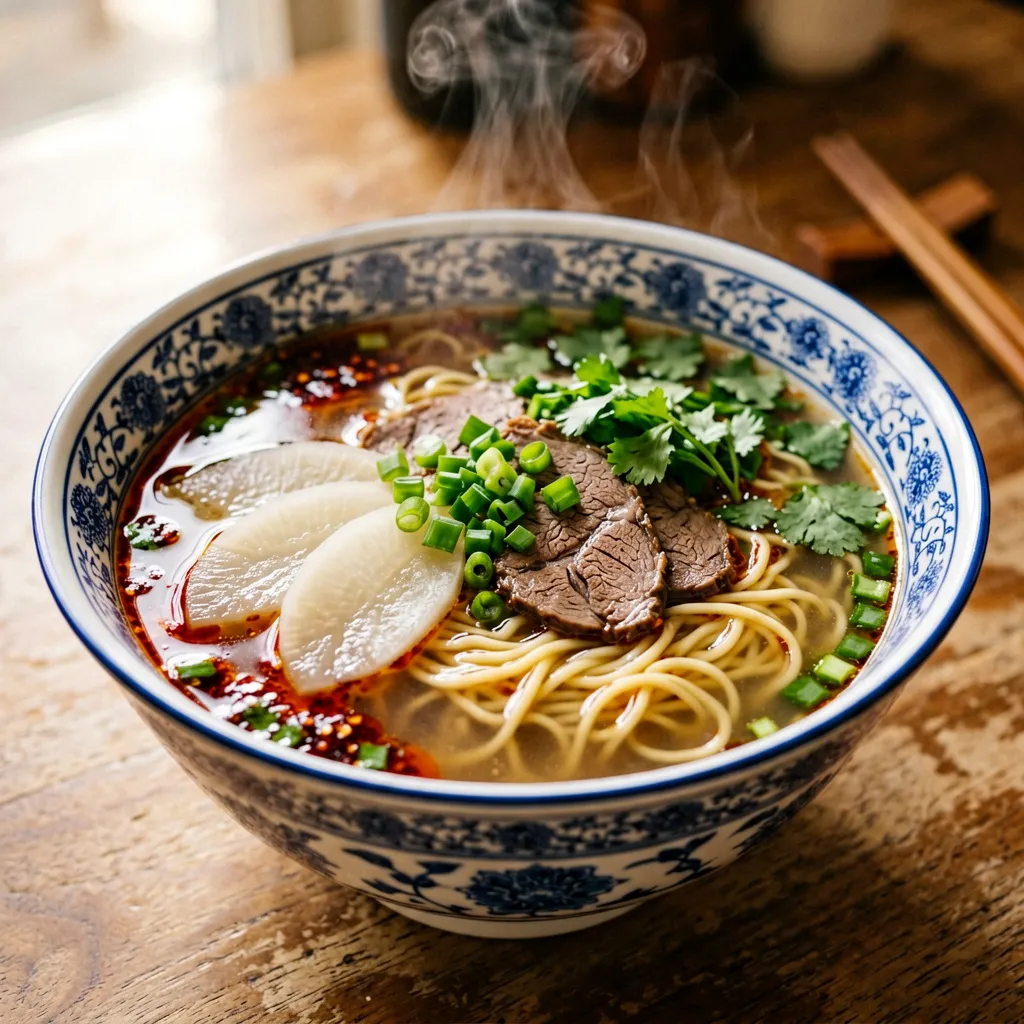
Lanzhou Lamian (Lanzhou Pulled Noodles)
A signature of Northwest Chinese cuisine, Lanzhou Lamian features hand-pulled noodles with a chewy texture, served in a clear and savory beef broth topped with fragrant chili oil. Known for its 'five elements'—clear soup, white radish, red chili, green herbs, and yellow noodles—it's an iconic comfort food.
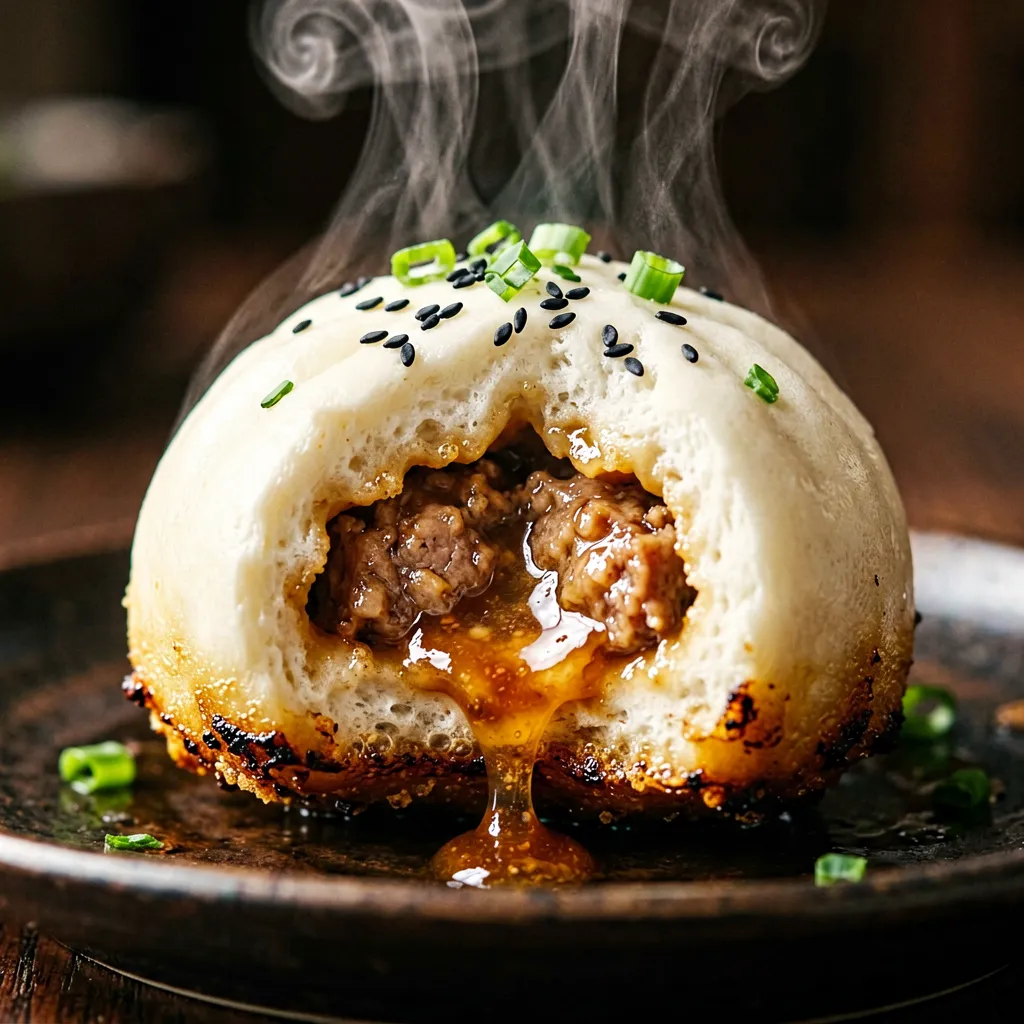
Pan-fried Pork Buns (Sheng Jian Bao)
Soft and fluffy top with a crispy golden bottom, these Shanghai-style pan-fried pork buns burst with savory juice when you bite into them. A beloved breakfast classic and street food favorite.
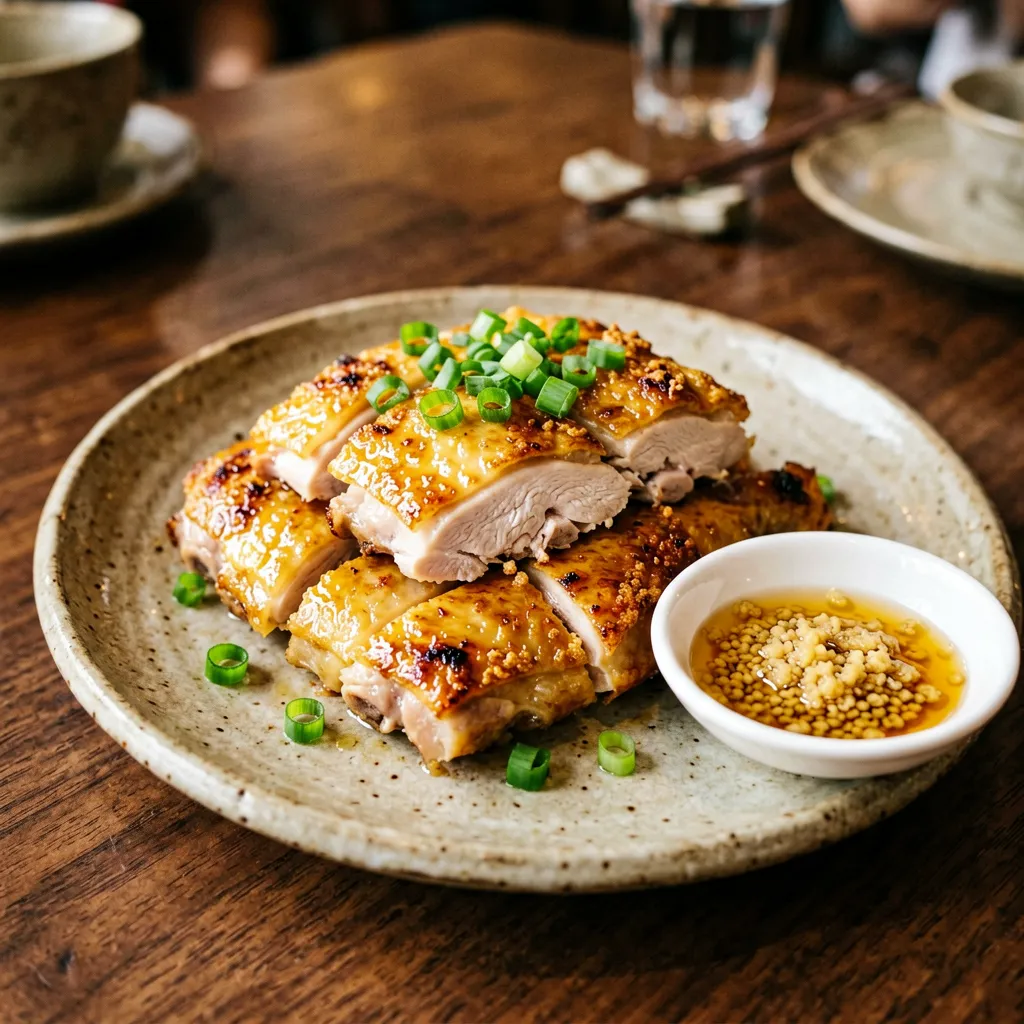
Salt-Baked Chicken (Yan Ju Ji)
A Hakka classic from Guangdong, this dish uses a crust of coarse salt to slowly cook the chicken, sealing in its natural juices. The result is golden, savory skin and incredibly tender, succulent meat, infused with the delicate aroma of sand ginger and salt. A must-try for festive dinners.
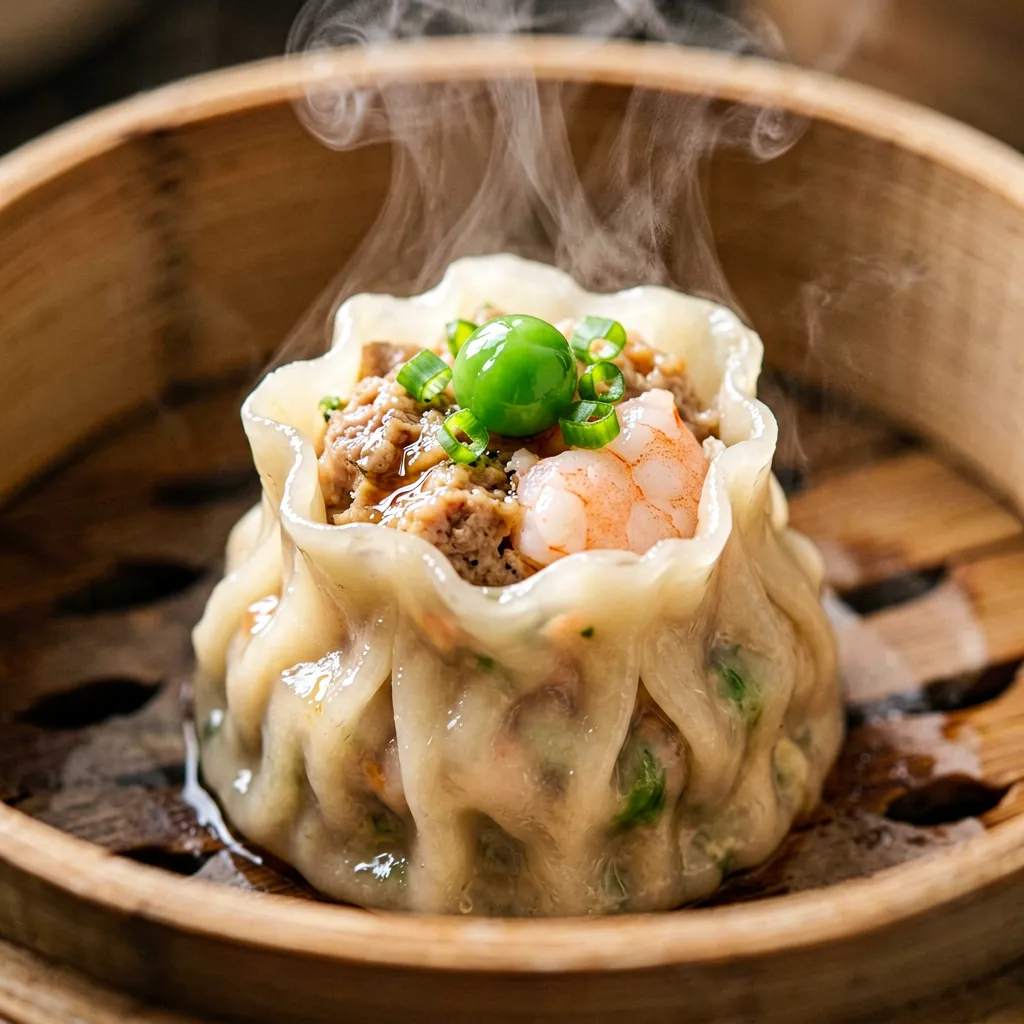
Shao Mai (Steamed Pork and Shrimp Dumplings)
Shao Mai are classic Chinese steamed dumplings with thin wrappers encasing a savory filling of pork and shrimp. The open-top design showcases the juicy filling, making every bite a heavenly treat. Served with black vinegar and ginger, they are a must-order dim sum item.