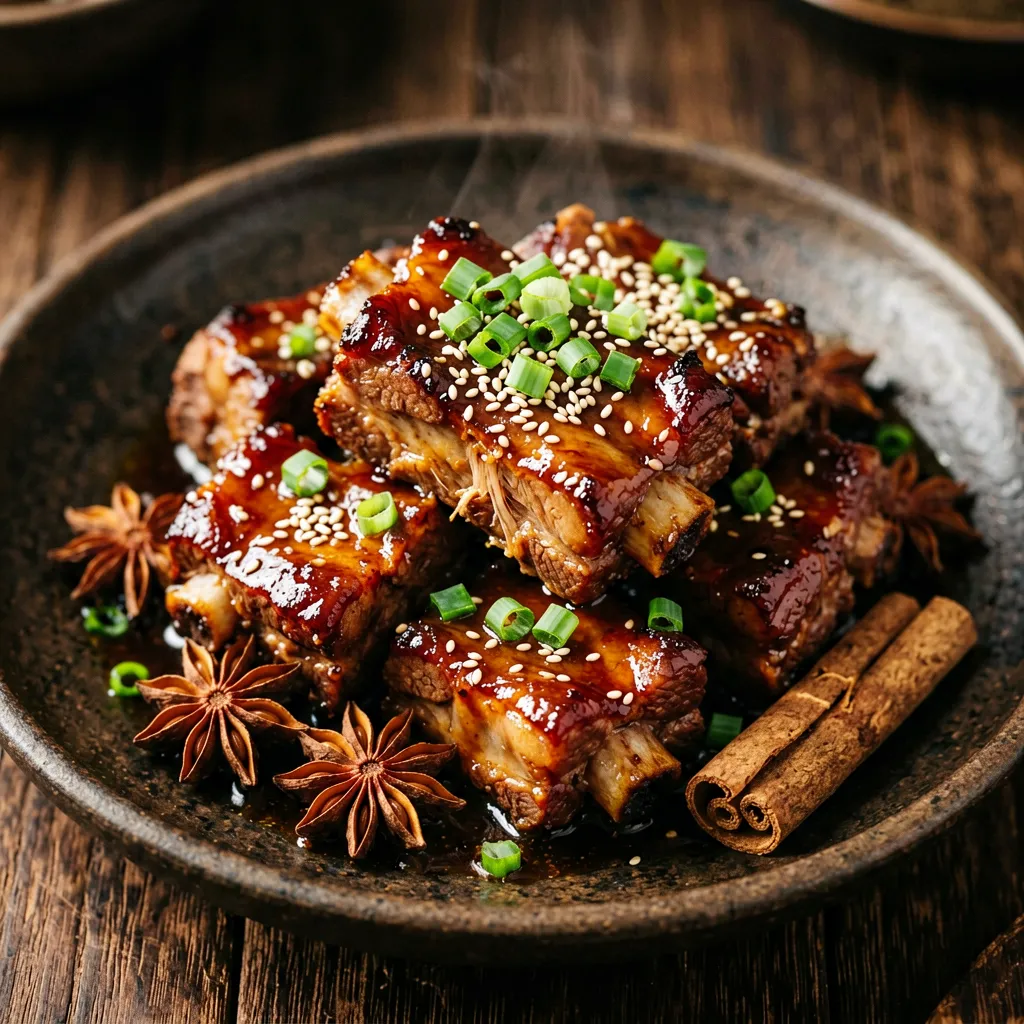
Soy-Braised Pork Ribs (Jiang Pai Gu)
Lacquered in a savory soy glaze, these braised pork ribs are fall-off-the-bone tender with a perfect balance of sweet and salty. A beloved classic in Chinese home cooking, each bite is rich, aromatic, and deeply satisfying.
Ingredients
13 items- Pork spare ribs 500g
- Fresh ginger 20g
- Spring onion 1
- Star anise 2
- Cinnamon stick 1 small piece
- Bay leaves 2
- Cooking wine 2 tbsp
- Light soy sauce 3 tbsp
- Dark soy sauce 1 tbsp
- Rock sugar 30g
- Salt to taste
- Water as needed
- Vegetable oil 2 tbsp
Nutrition
Steps (6 steps)
Wash the ribs and place them in a pot with cold water. Add 2 slices of ginger and 1 tbsp cooking wine. Bring to a boil over high heat, skimming off any foam. Boil for about 3 minutes until the ribs change color and no blood seeps out. Remove, rinse under warm water, and drain well.
Heat oil in a wok or pan over low heat. Add the rock sugar and stir constantly until it melts and turns amber (the syrup should bubble gently). Immediately add the ribs and toss quickly to coat them evenly with caramelized sugar.
Add the remaining ginger slices, spring onion sections, star anise, cinnamon stick, and bay leaves. Stir-fry for about 1 minute until fragrant. Then pour in the cooking wine around the edge of the wok, followed by light and dark soy sauces. Stir well to color the ribs evenly.
Pour in enough hot water to submerge the ribs. Bring to a boil, then reduce heat to low. Cover and simmer for 50-60 minutes until the ribs are fork-tender (a chopstick should pierce the thickest part easily).
Turn the heat to high to reduce the sauce. Stir frequently to prevent sticking. Cook until the sauce thickens and coats the ribs with a glossy glaze. Taste and add a little salt if needed (the soy sauces provide enough saltiness). Give it a final toss.
Transfer to a serving plate, garnish with chopped spring onions or white sesame seeds, and serve hot for the best flavor.
Tips
When caramelizing sugar, always use low heat to avoid burning (burnt sugar becomes bitter). After blanching, rinse the ribs with warm water to keep the meat tender. Use hot water for braising to prevent the meat from tightening. Do not reduce the sauce too much, or it may become overly salty.
You May Also Like
More recipes you might enjoy
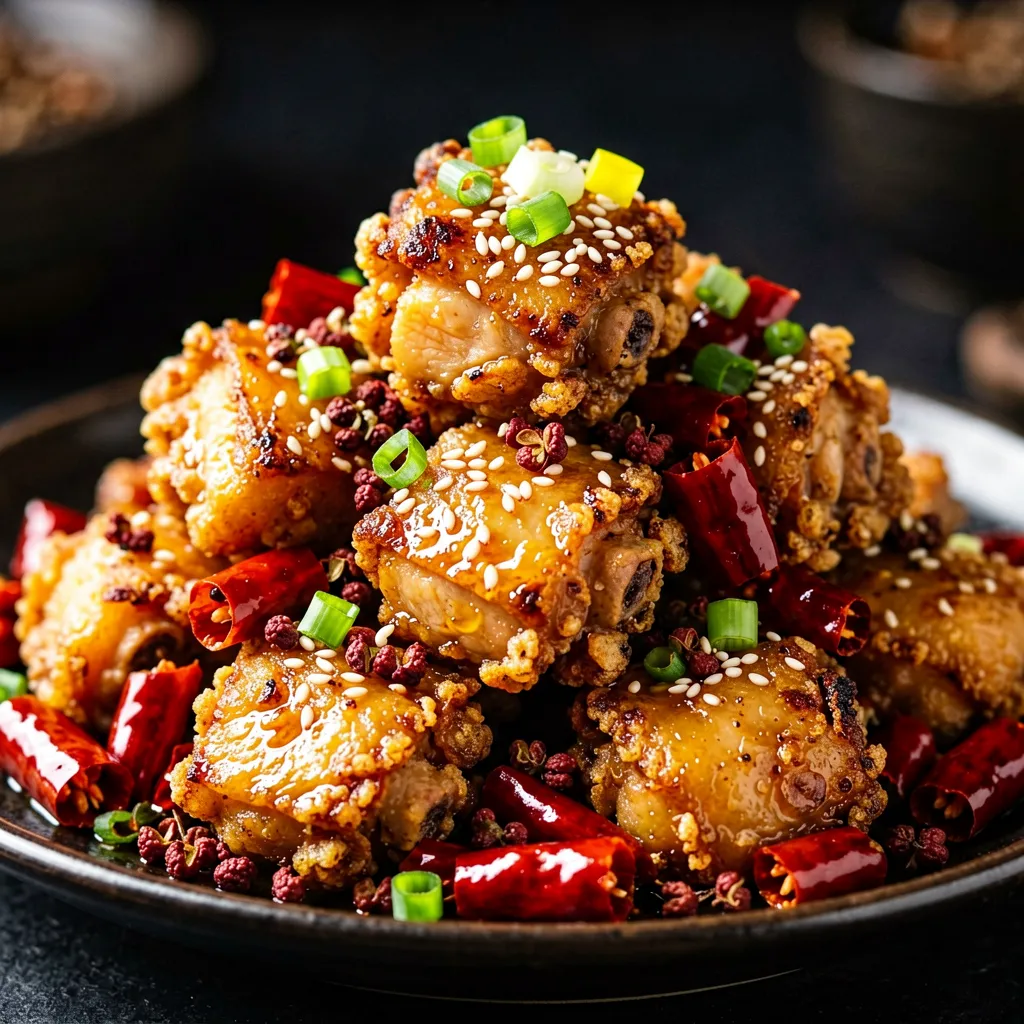
Chongqing Spicy Chicken (Laziji)
A classic Chongqing dish featuring crispy chicken pieces tossed with dried chilies and Sichuan peppercorns. The aromatic heat and numbing sensation are incredibly addictive. Perfect with steamed rice.
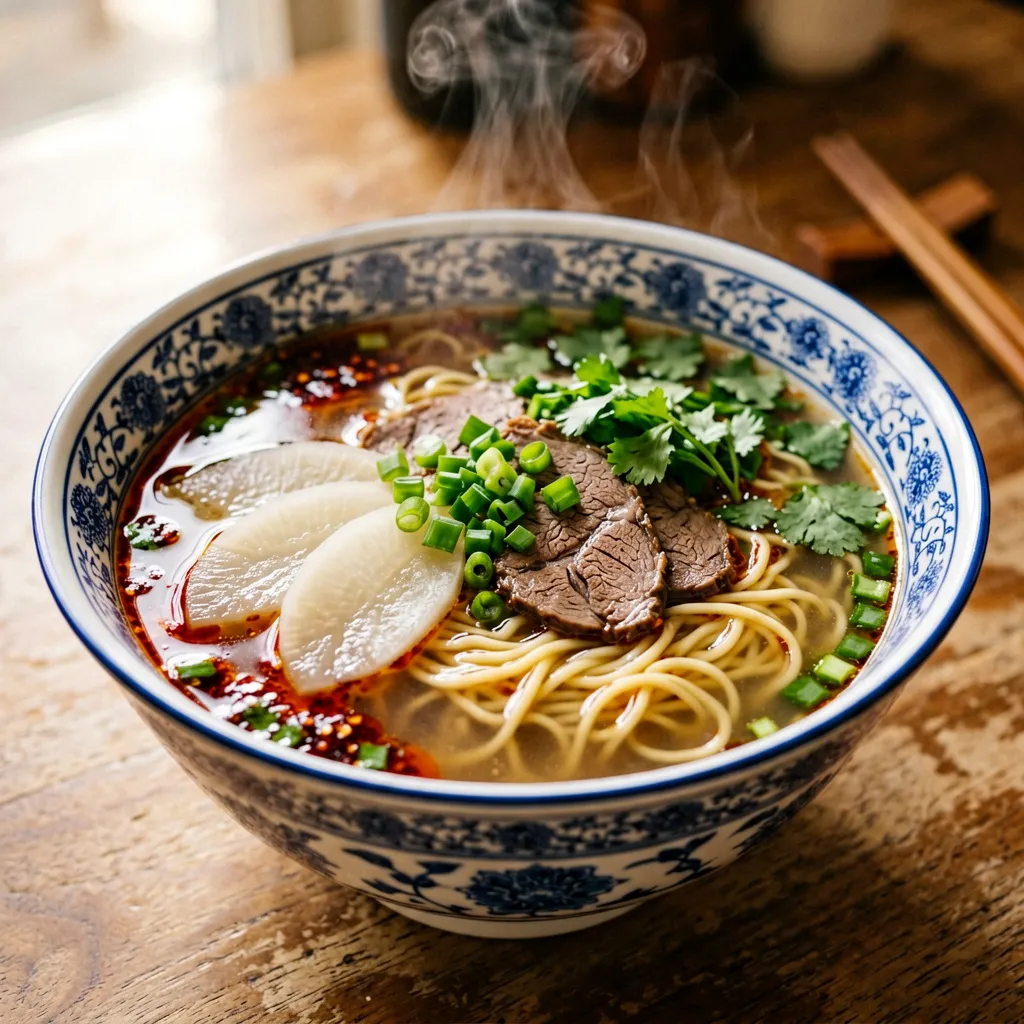
Lanzhou Lamian (Lanzhou Pulled Noodles)
A signature of Northwest Chinese cuisine, Lanzhou Lamian features hand-pulled noodles with a chewy texture, served in a clear and savory beef broth topped with fragrant chili oil. Known for its 'five elements'—clear soup, white radish, red chili, green herbs, and yellow noodles—it's an iconic comfort food.
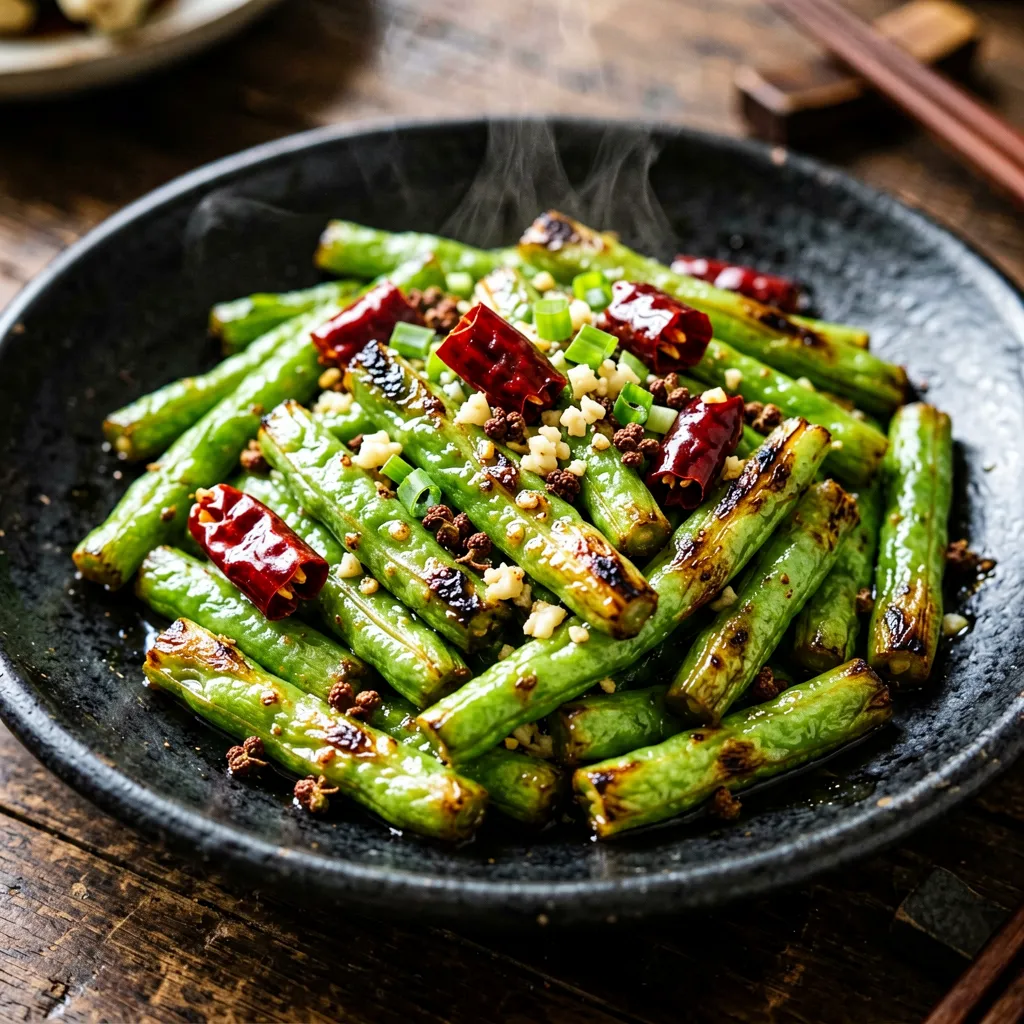
Dry-Fried Green Beans (Sichuan Style)
Classic Sichuan dry-fried green beans with a charred, chewy texture and spicy, numbing flavor. The beans are blister-fried until wrinkled and tender, then tossed with dried chilies and Sichuan peppercorns for an irresistibly addictive dish.
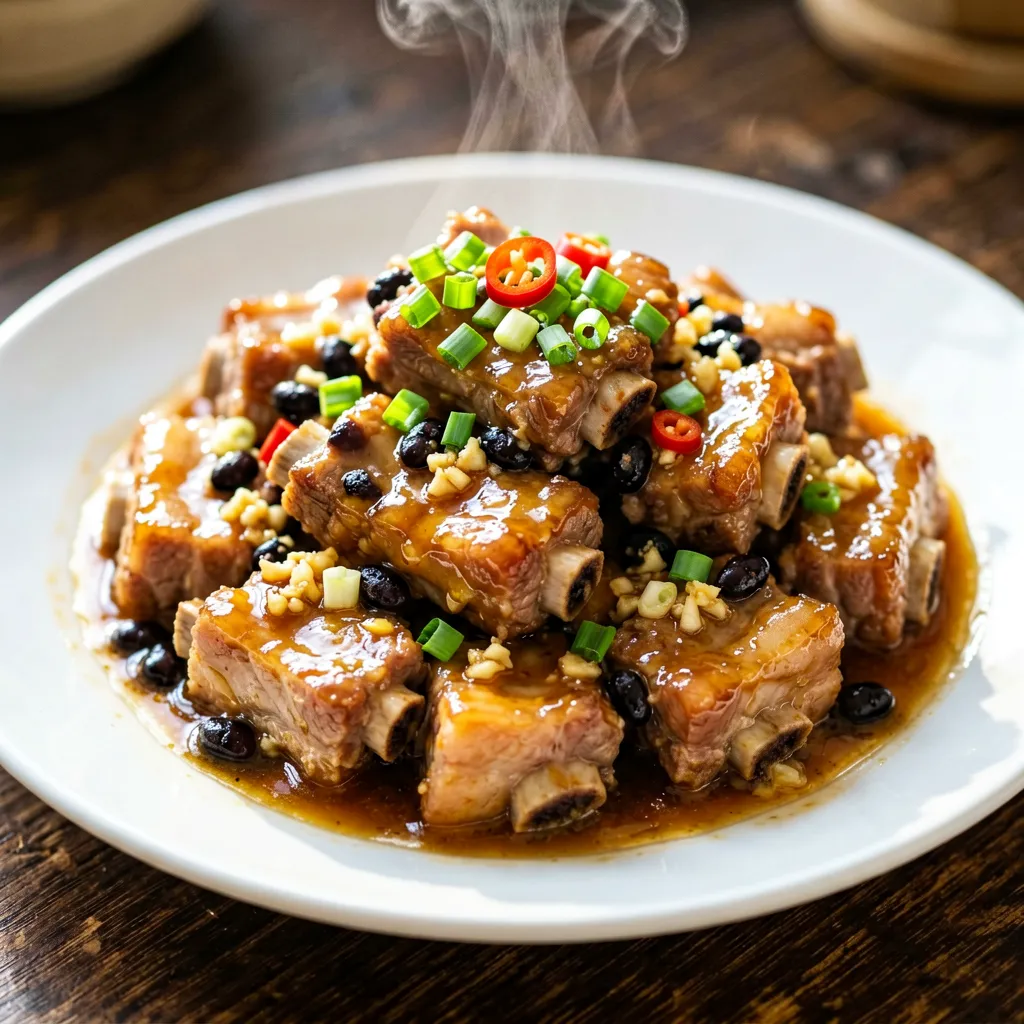
Steamed Pork Ribs with Black Bean Sauce
A classic Cantonese dish, Steamed Pork Ribs with Black Bean Sauce is beloved for its rich, savory black bean aroma and tender, juicy pork. The gentle steaming method preserves the natural flavors of the ribs, while the aromatic sauce infuses every bite. Perfect with steamed rice.