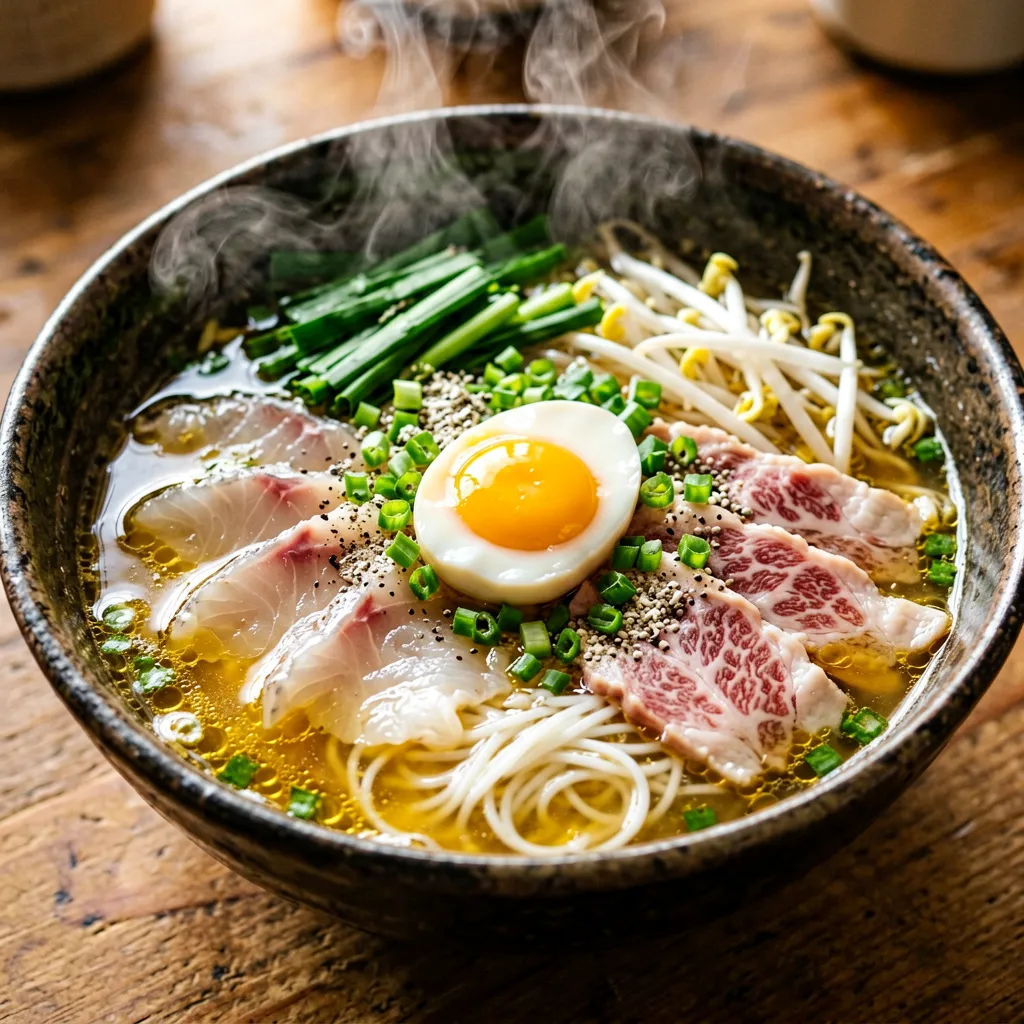
Crossing-the-Bridge Rice Noodles (Guoqiao Mixian)
A rich chicken broth covered with a golden layer of chicken fat instantly cooks thin slices of raw meat and vegetables at the table. The rice noodles are smooth, the broth is savory, and every bite brings the taste of Yunnan's culinary tradition.
Ingredients
16 items- Rice noodles (dry) 400g
- Chicken carcass 500g
- Pork leg bone 300g
- Chicken breast 1 piece (about 200g)
- Pork tenderloin 100g
- Grass carp fillet 100g
- Duck gizzard 2
- Quail eggs 4
- Chinese chives 50g
- Mung bean sprouts 50g
- Tofu skin 30g
- Spring onions 2
- Cilantro 2 sprigs
- Ginger 1 piece
- Salt to taste
- White pepper powder to taste
Nutrition
Steps (7 steps)
Prepare the broth: Place chicken carcass and pork leg bone in a stock pot, cover with plenty of cold water (about 3 liters). Bring to a boil over high heat, continuously skimming off foam and impurities. Boil for 2 minutes, then remove bones and rinse under warm water. Return bones to the pot, add ginger slices, and pour in enough hot water (about 2.5 liters). Bring back to a boil, then reduce to low heat and simmer gently for 1.5 hours until the broth turns milky white. Add the whole chicken breast, cook over medium heat for 15 minutes until fully cooked. Remove chicken breast, let cool, then shred into fine strips. Season broth with salt and white pepper powder; set aside.
Prepare the condiments: Slice pork tenderloin, grass carp fillet, and duck gizzard into extremely thin pieces (about 1-2 mm thick). The thinner the better, as they need only seconds to cook in the hot broth. Cut chives into sections, wash bean sprouts, shred tofu skin, boil and shell quail eggs. Soak dry rice noodles in cold water for 3 hours until fully softened, then blanch in boiling water for 1 minute until no hard core remains; drain and rinse under cold water.
Ensure the broth is piping hot: Just before serving, reheat the broth until it is boiling vigorously, making sure there is a visible layer of chicken fat on the surface (add extra rendered chicken fat or lard if needed). Meanwhile, preheat a large thick‑walled bowl by pouring boiling water into it for 1 minute, so the bowl is well warmed and will not cool down the broth too quickly.
Cook the raw meat and fish: Immediately pour the boiling broth (with the fat layer) into the preheated bowl. Use chopsticks to pick up slices of raw pork, fish, and duck gizzard, and gently lower them into the broth one by one. Stir lightly to separate the slices and ensure even cooking. Watch the meat change from pink to white and slightly curl (about 15–20 seconds) – this means they are cooked through.
Cook the vegetables and tofu skin: Once the meat starts changing color, add the chive sections, bean sprouts, and shredded tofu skin into the broth. Use chopsticks to gently press them down so they are fully submerged. Cook about 10 seconds until the vegetables are just tender but still crisp. Do not overcook.
Add the rice noodles and cooked ingredients: Place the drained rice noodles into the bowl, then top with the shredded chicken, quail eggs, chopped spring onions, and cilantro. The broth remains hot enough to release the aromas of these toppings.
Season and enjoy: According to personal taste, add a little extra salt, white pepper, chili oil, or vinegar into the bowl. Use chopsticks to lift the noodles and mix everything from the bottom. Be careful not to burn yourself. The soup is rich, the noodles are smooth, and the toppings offer a wonderful variety. This is a perfect warming dish for cold days.
Tips
1. Slice the meat and fish extremely thin – this is crucial, as thick slices cannot be cooked by the broth’s residual heat. 2. The layer of chicken fat on the broth surface should be thick enough (about 3-5 mm) to maintain high temperature for a long time. 3. Do not overcook the rice noodles; they should remain firm and chewy. 4. Feel free to swap in seasonal vegetables or add ham slices, tofu pudding, etc.
You May Also Like
More recipes you might enjoy
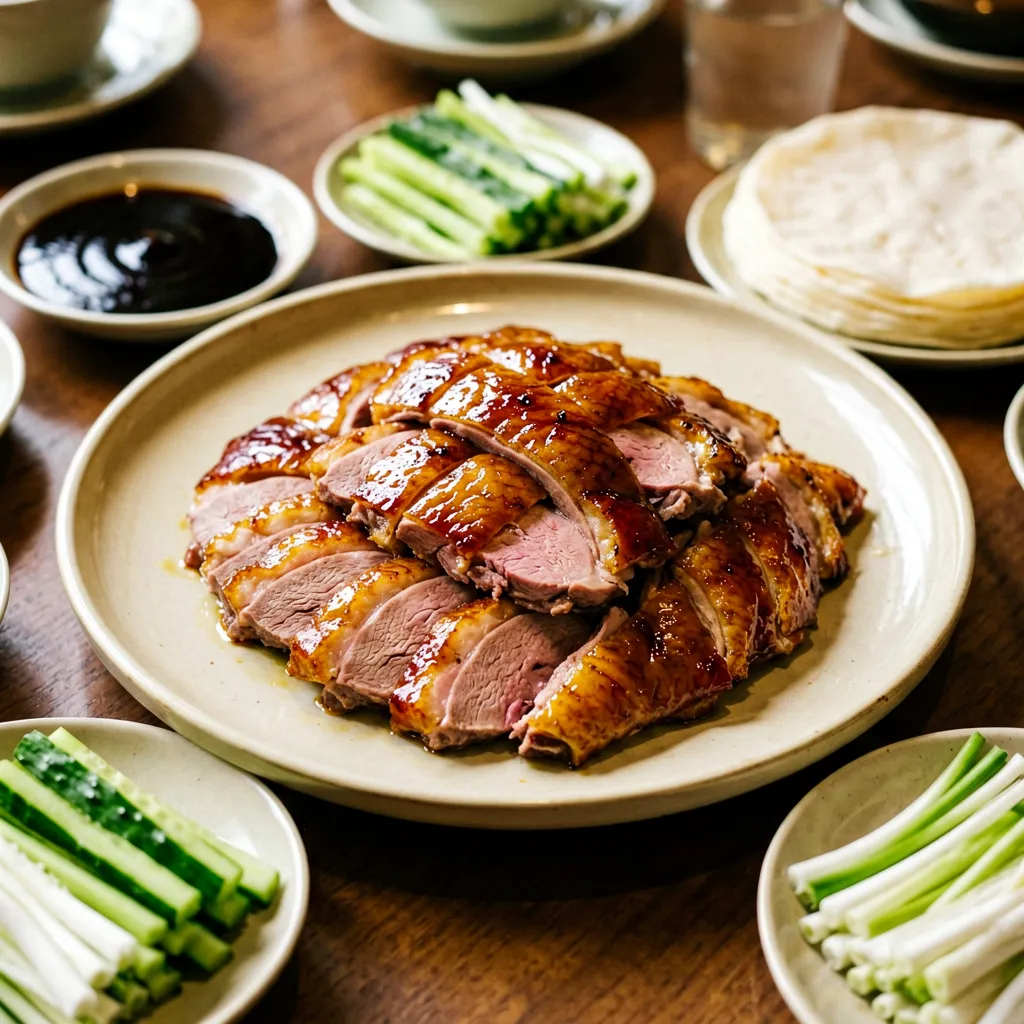
Peking Duck
A world-renowned classic of Beijing cuisine, featuring crispy skin and tender, juicy meat. Served with thin pancakes, sweet bean sauce, and scallion shreds, each bite is a perfect harmony of textures and flavors. Enjoy authentic Peking Duck at home!
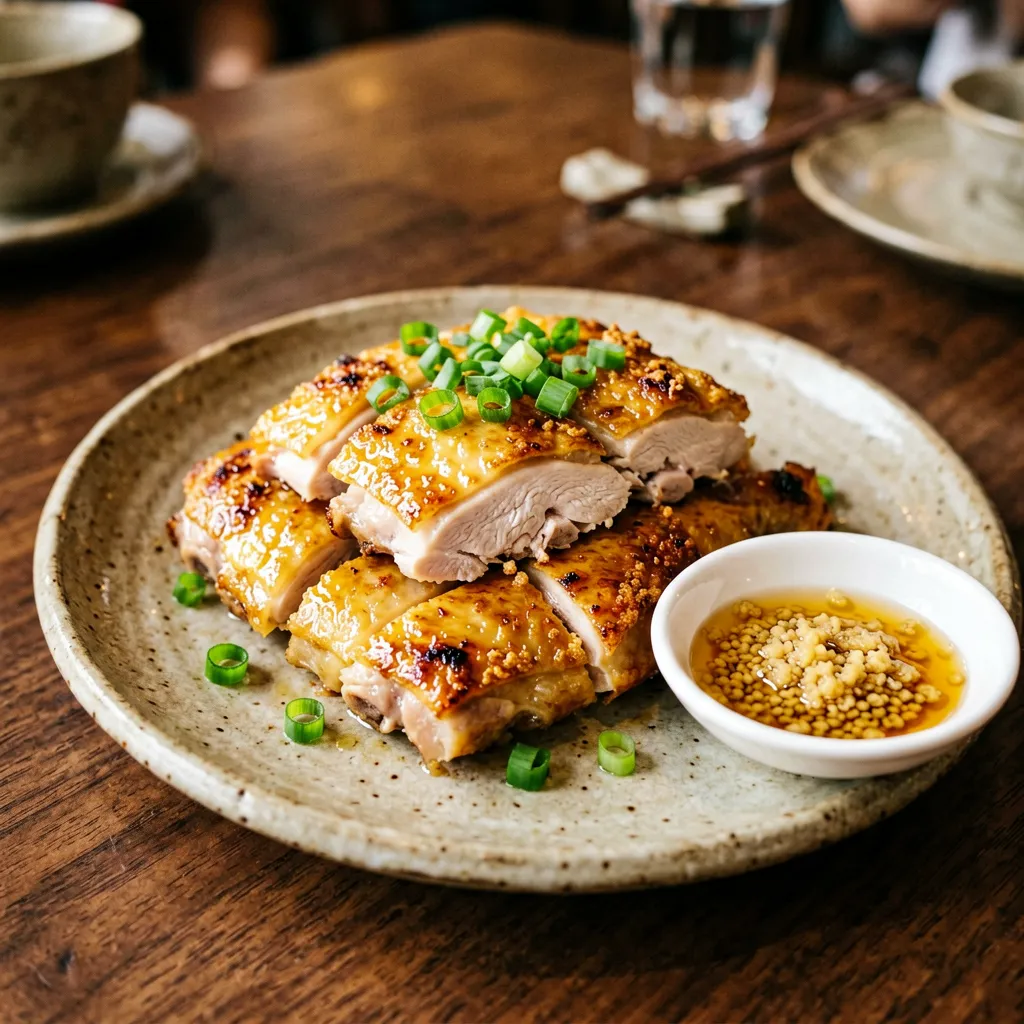
Salt-Baked Chicken (Yan Ju Ji)
A Hakka classic from Guangdong, this dish uses a crust of coarse salt to slowly cook the chicken, sealing in its natural juices. The result is golden, savory skin and incredibly tender, succulent meat, infused with the delicate aroma of sand ginger and salt. A must-try for festive dinners.
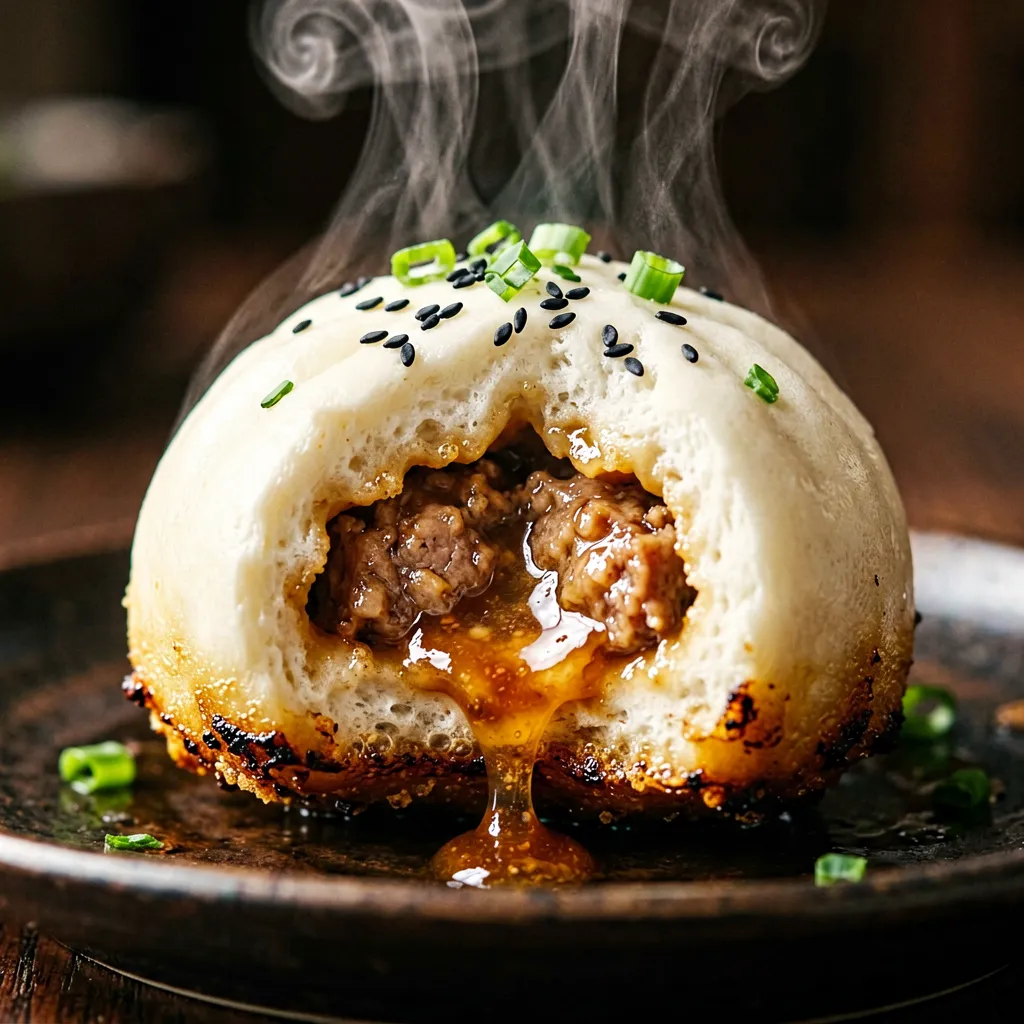
Pan-fried Pork Buns (Sheng Jian Bao)
Soft and fluffy top with a crispy golden bottom, these Shanghai-style pan-fried pork buns burst with savory juice when you bite into them. A beloved breakfast classic and street food favorite.
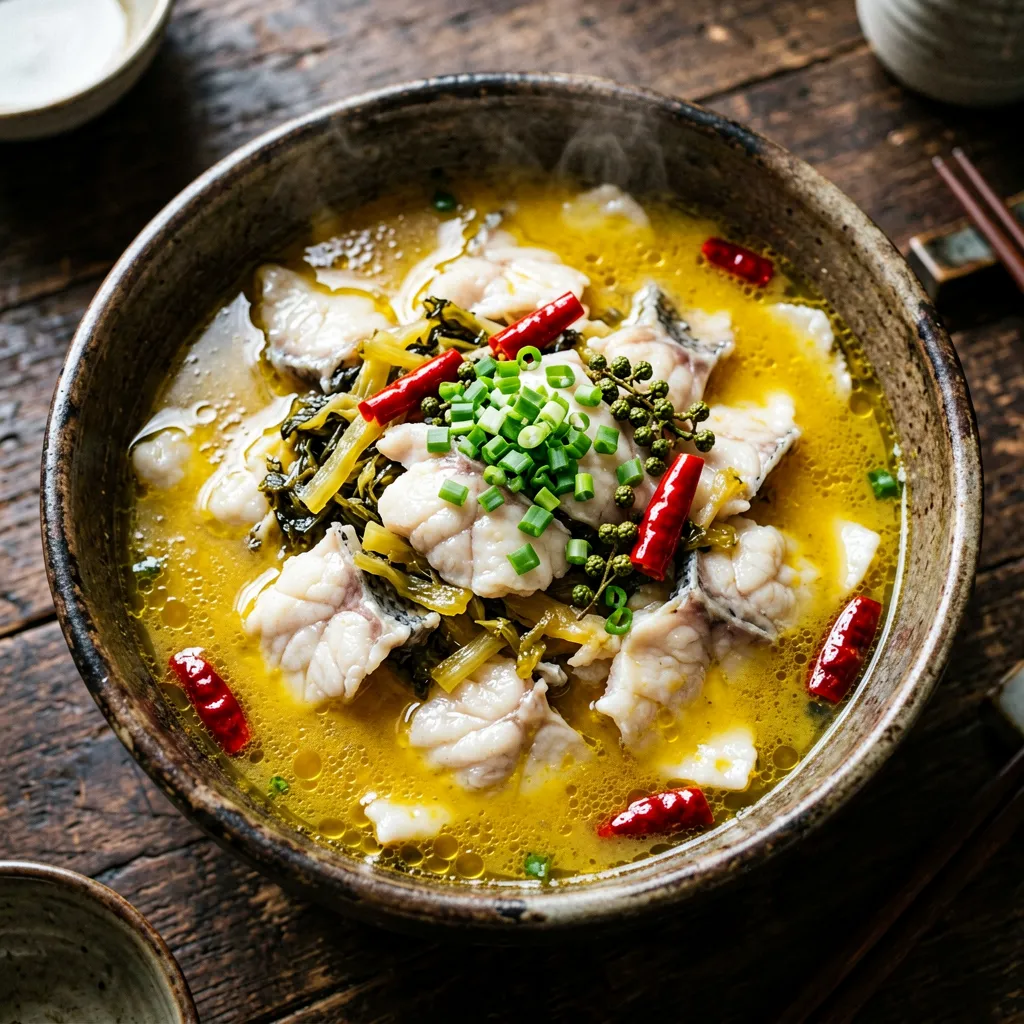
Sichuan Pickled Cabbage Fish
A classic Sichuan dish with a tangy and spicy broth, tender fish fillets. The pickled cabbage perfectly removes any fishy taste, and the combination of dried chilies and Sichuan peppercorns warms the appetite. Great for family gatherings or dinner parties.